Captain Video: Master of the Stratosphere (1951)
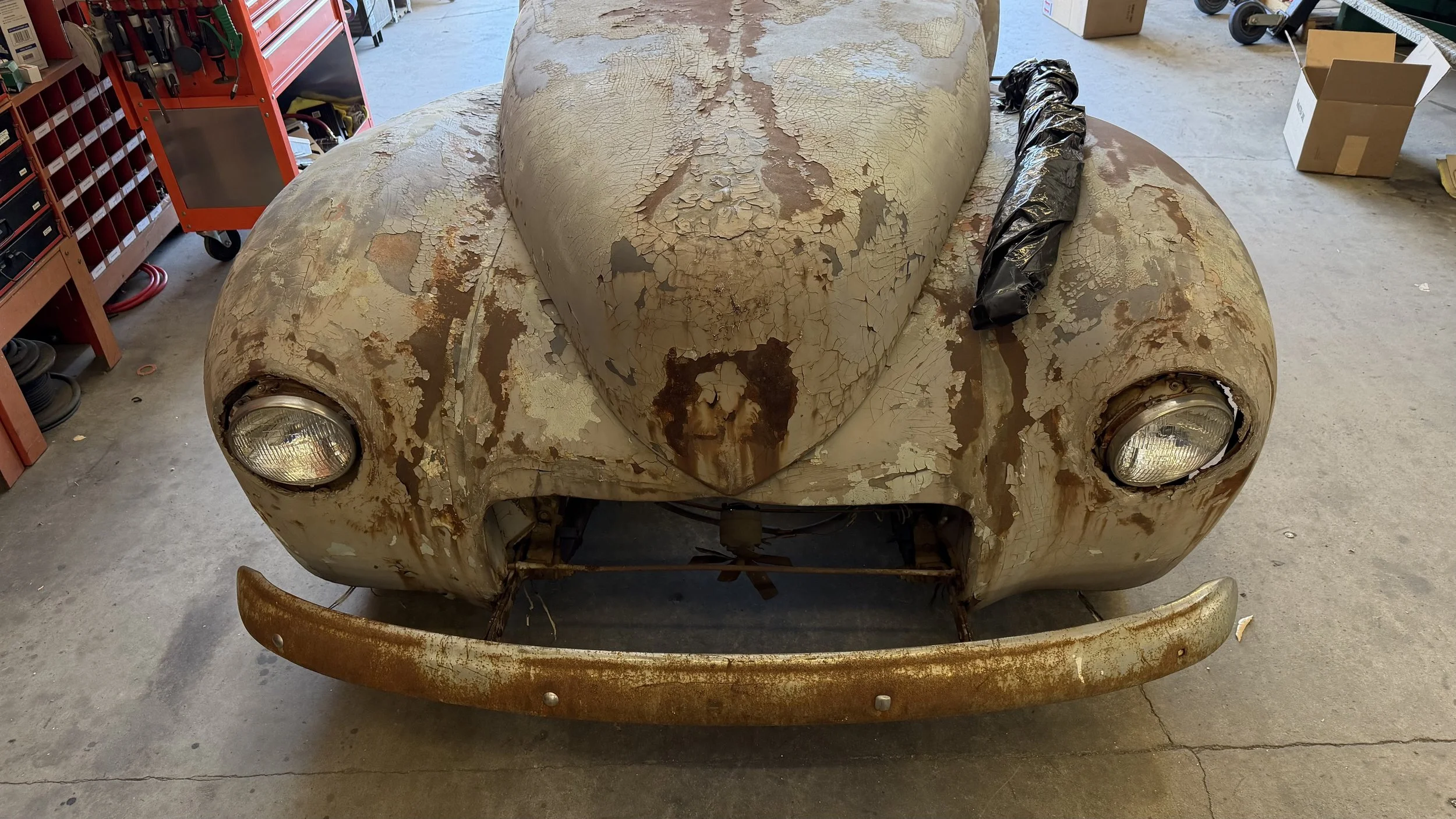
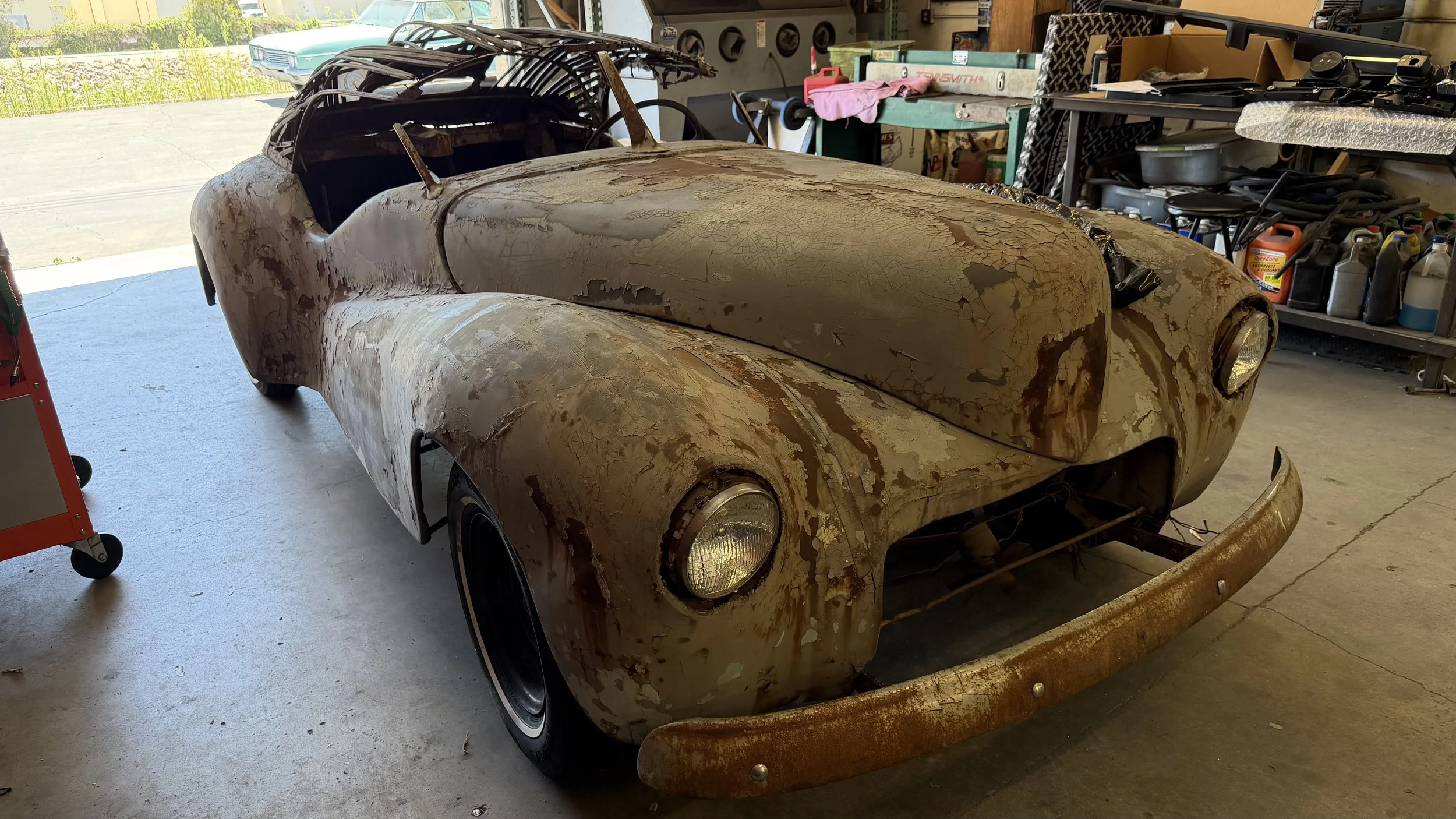
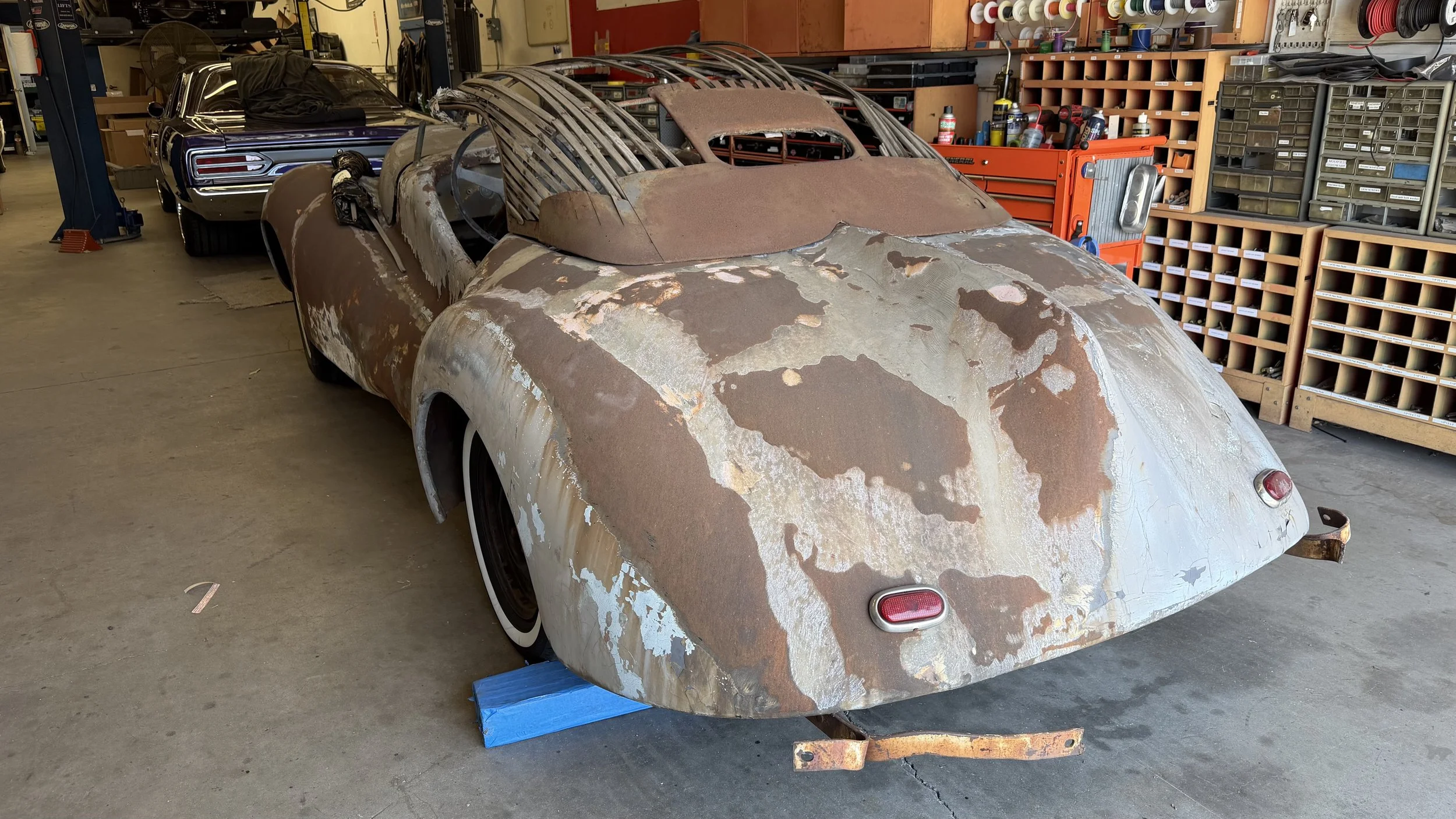
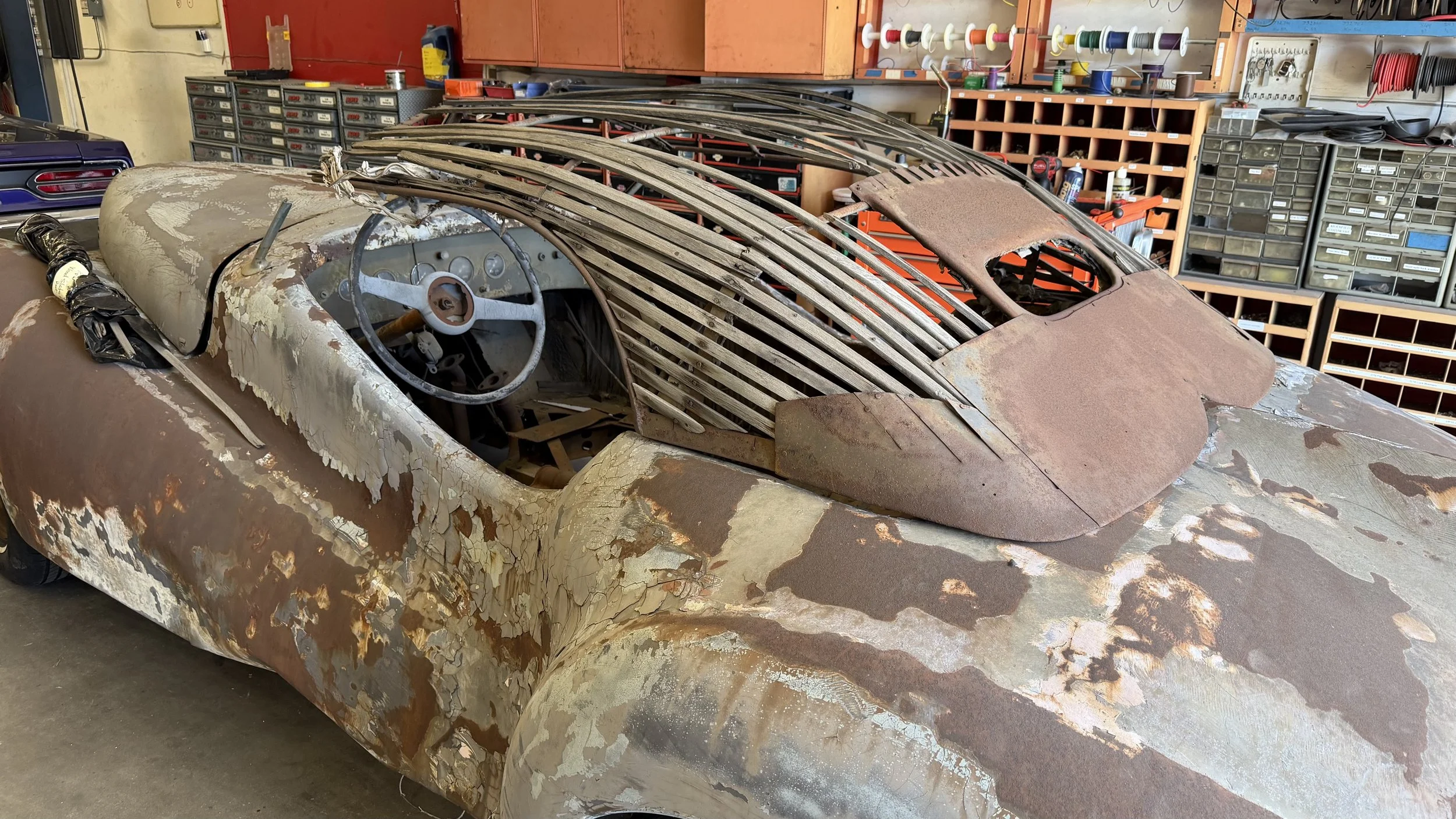
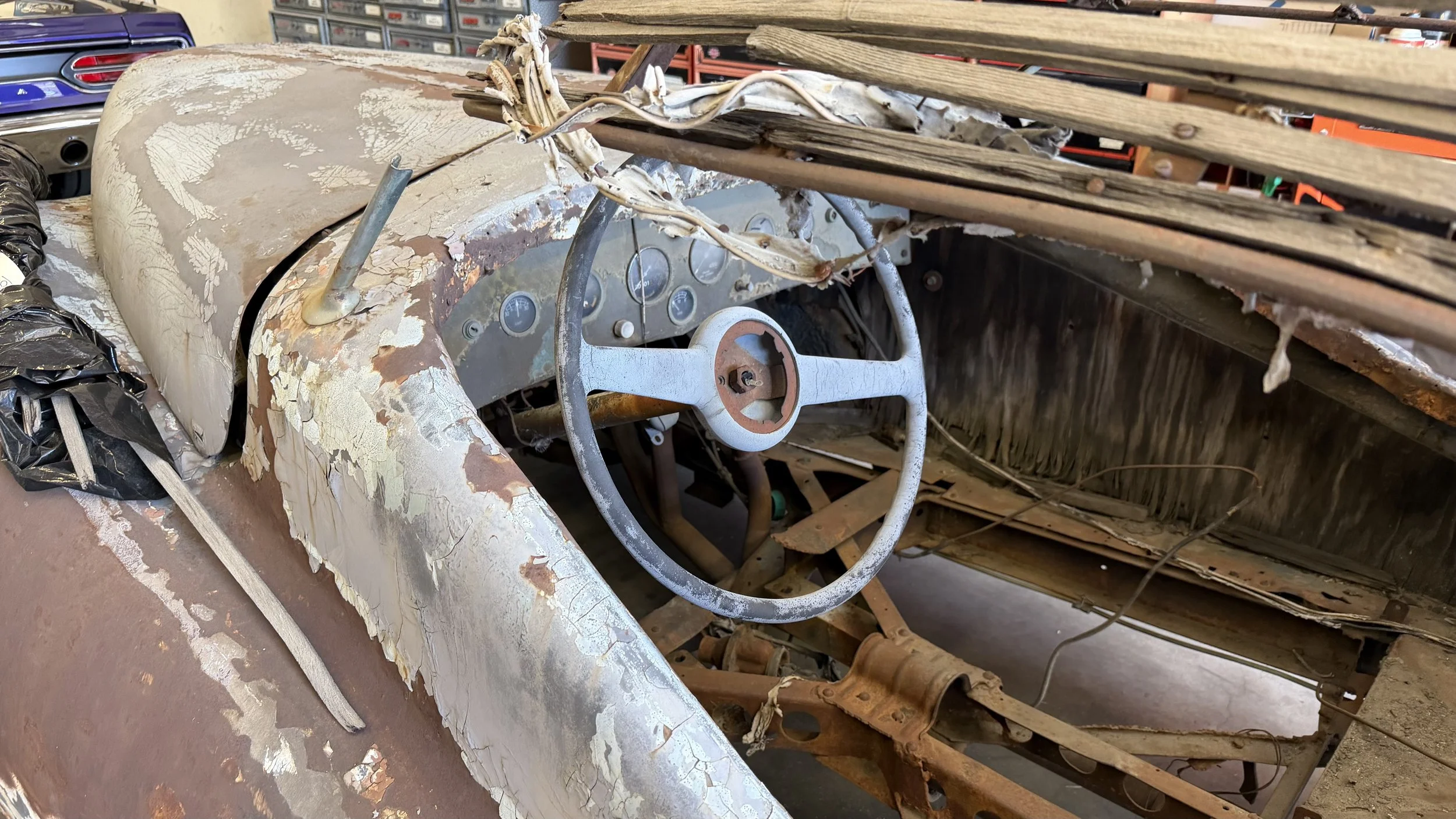
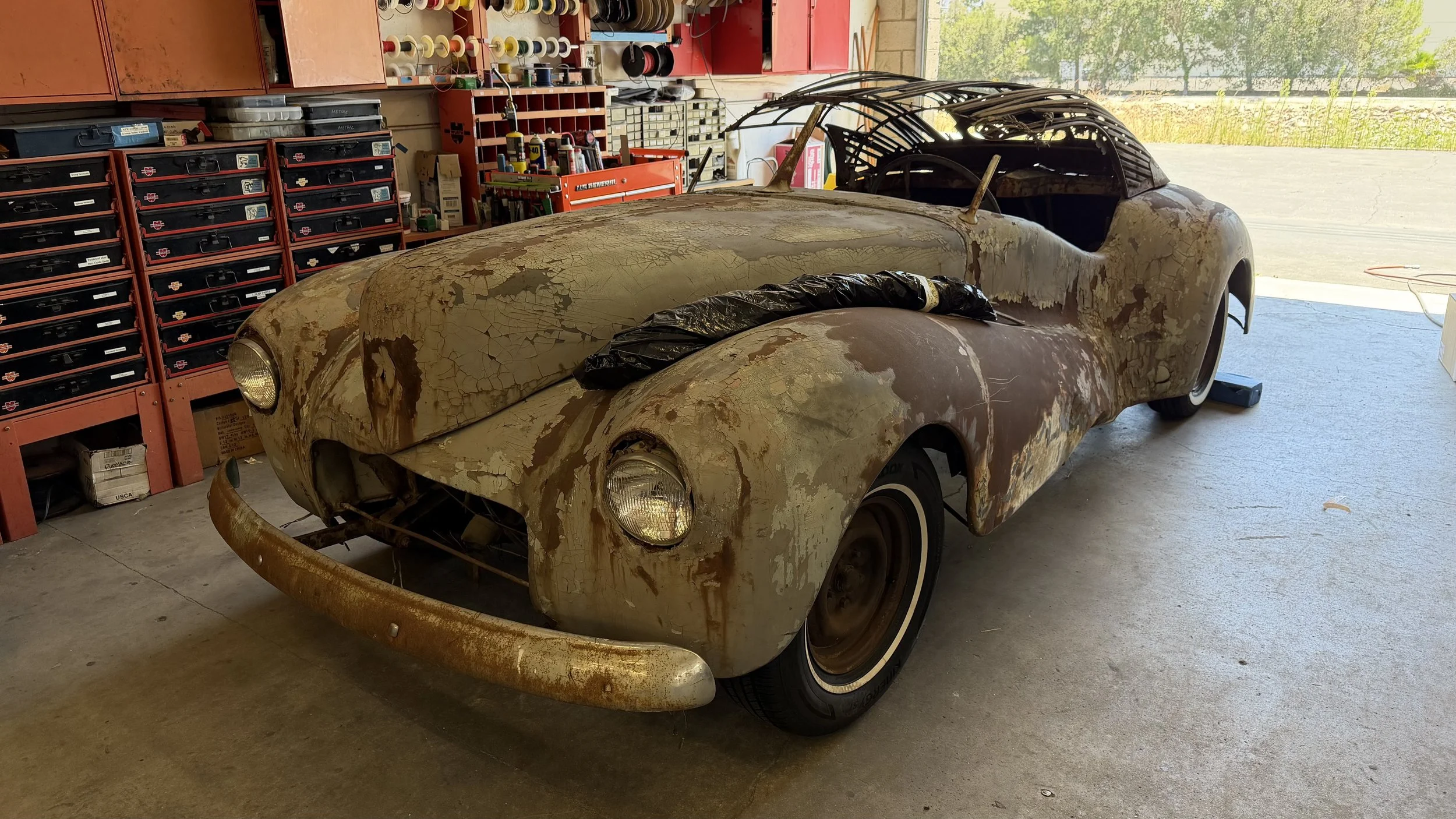
The Screen Used Jetmobile
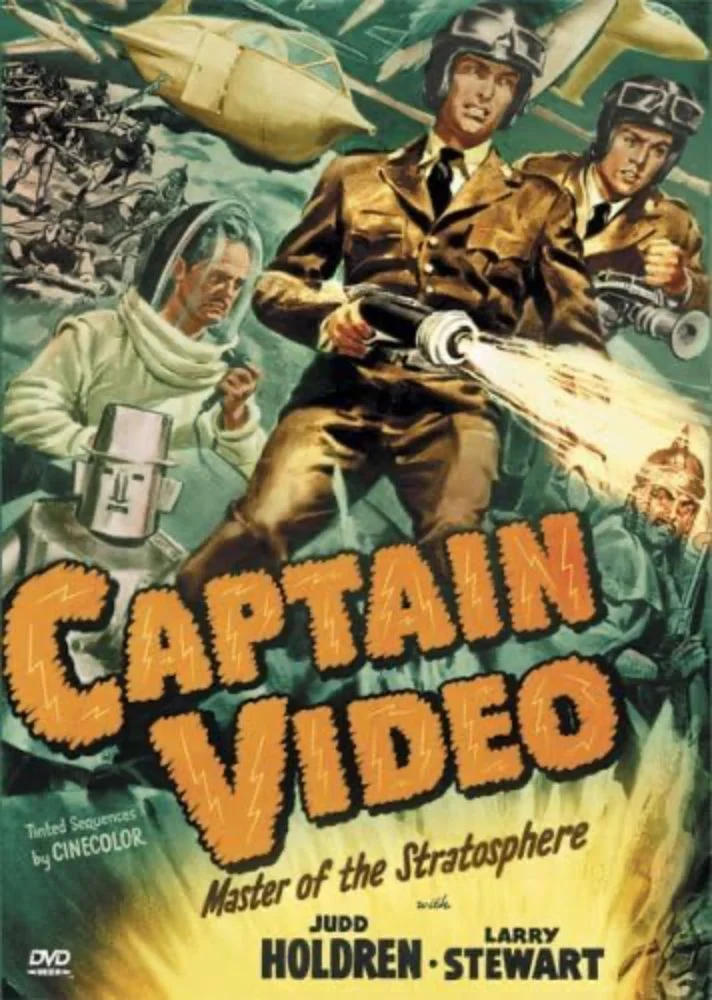
The 15-chapter movie serial Captain Video: Master of the Stratosphere came about because the live TV series Captain Video and His Video Rangers had become a major hit. Columbia Pictures licensed the property and, in 1951, produced a theatrical cliffhanger serial, the only movie serial ever adapted directly from a television series. It was released in 15 weekly chapters for Saturday matinee audiences, with each chapter ending on a cliffhanger to bring viewers back the following week.
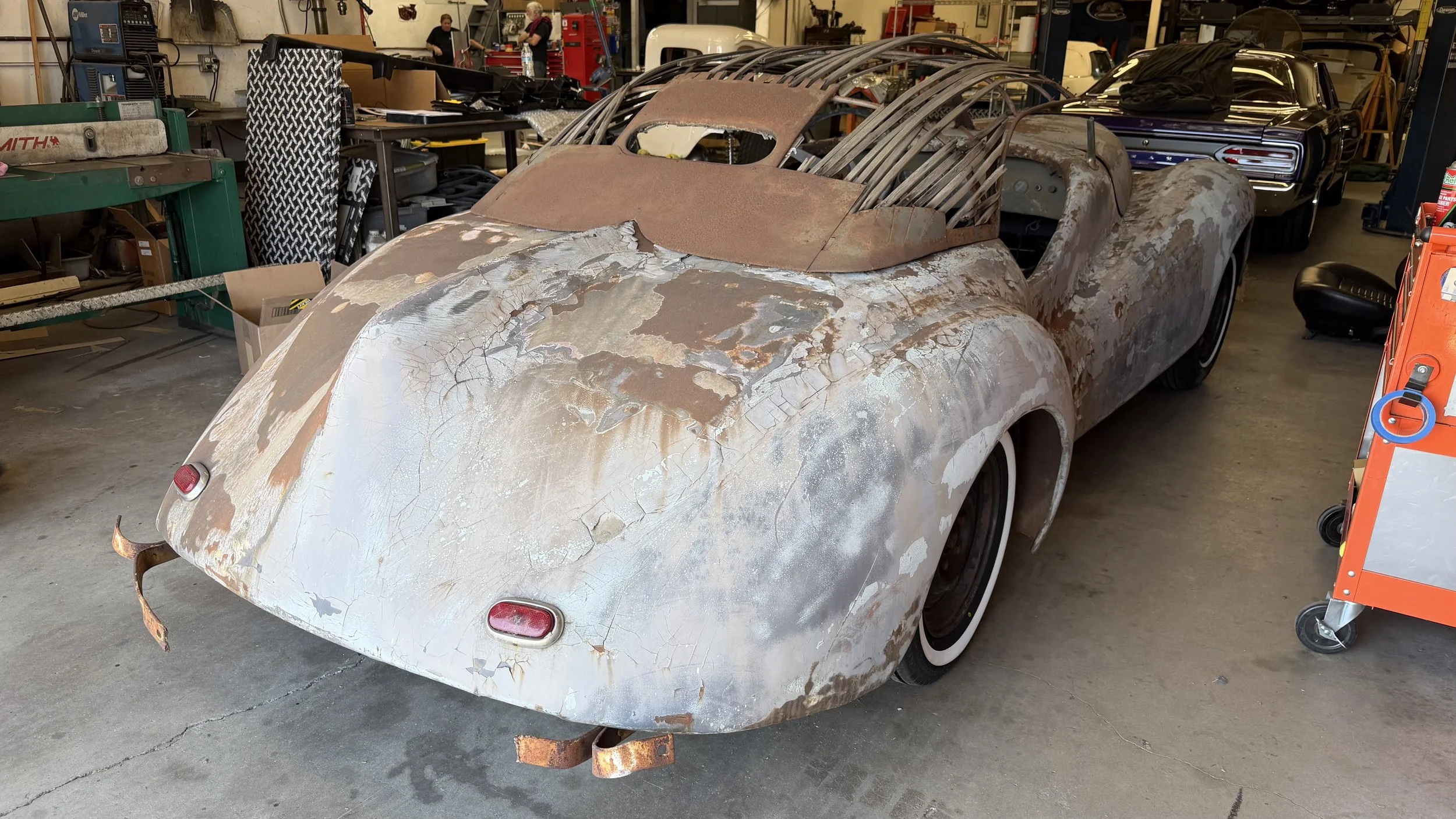
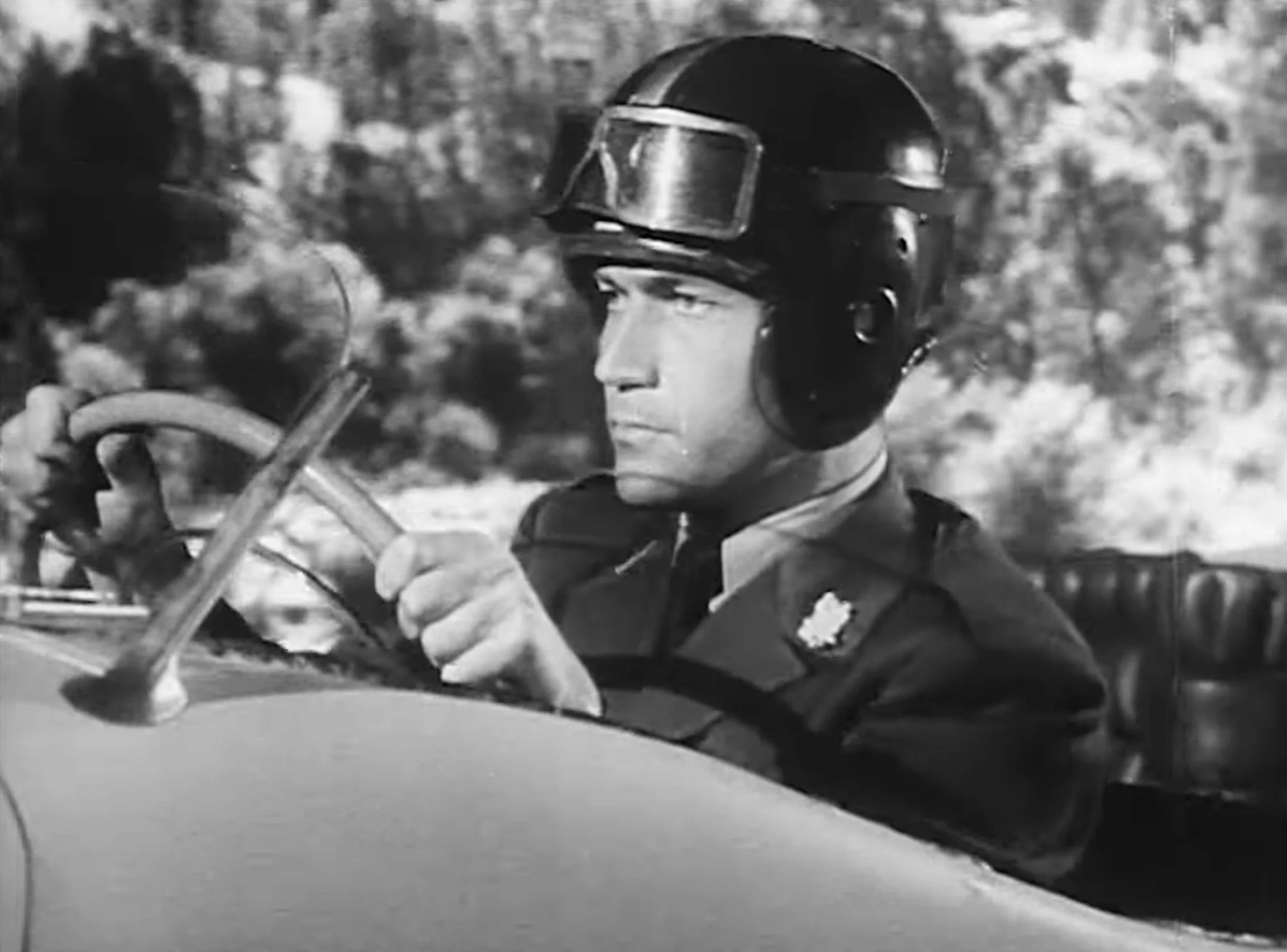
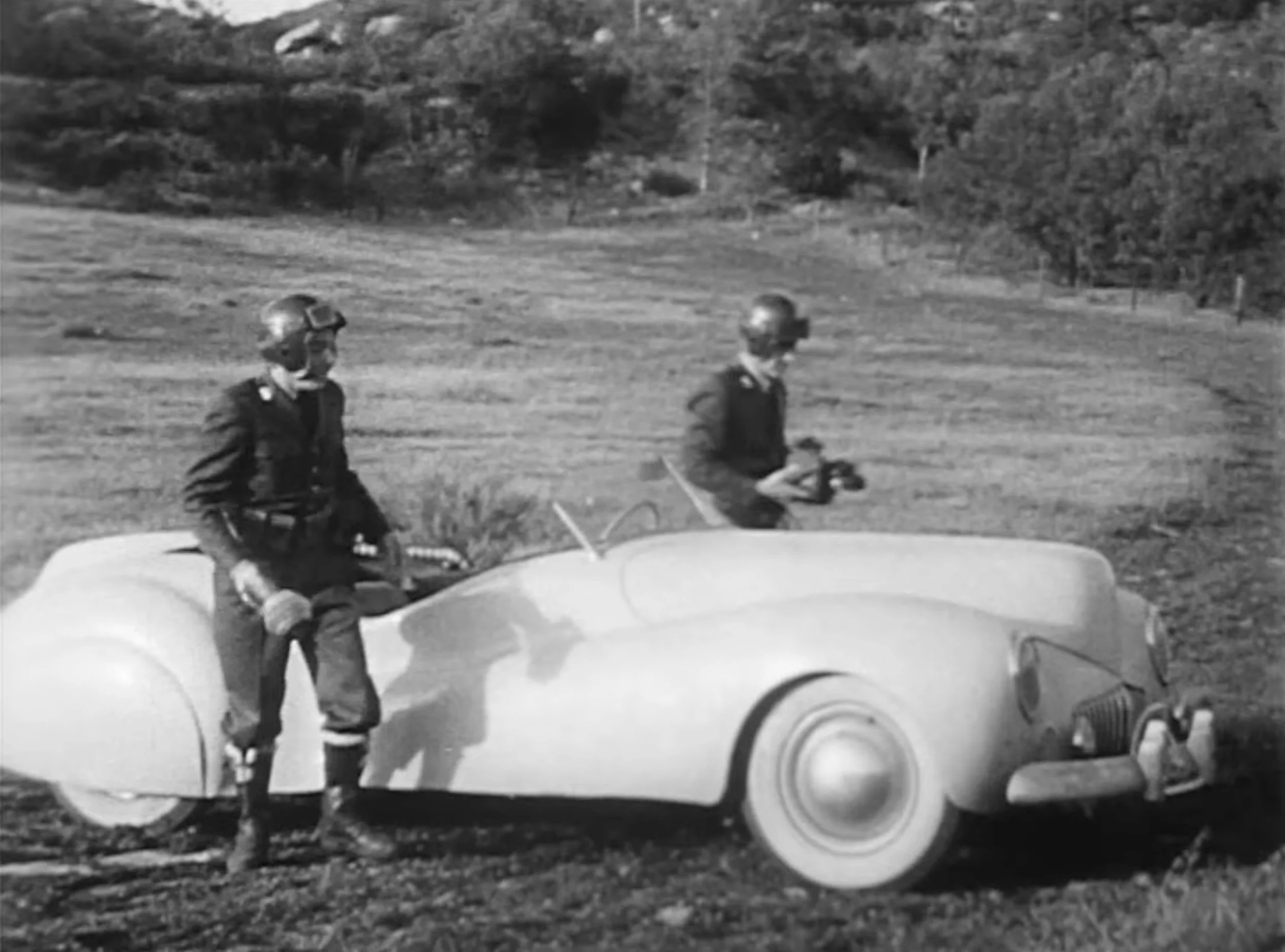
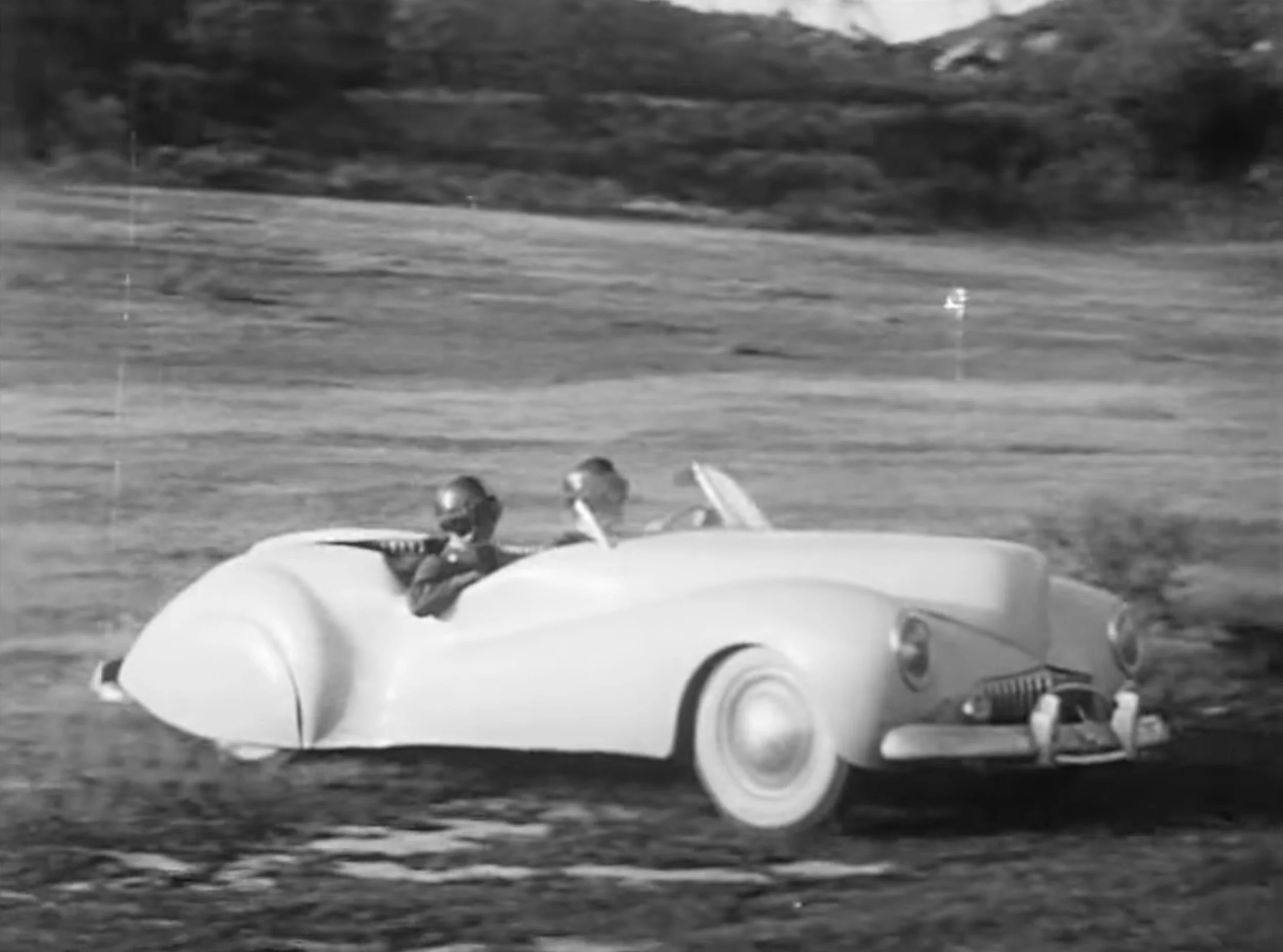
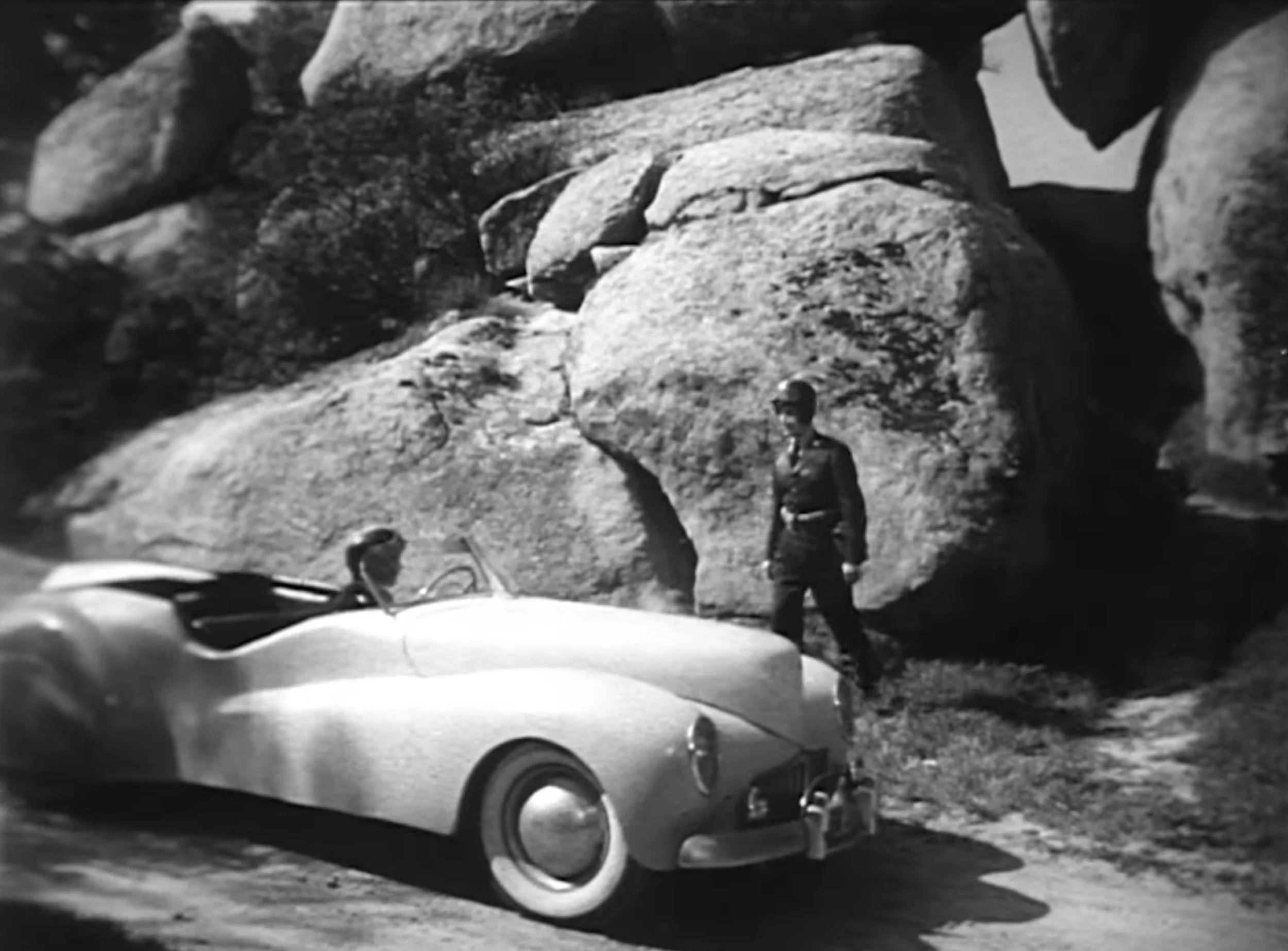
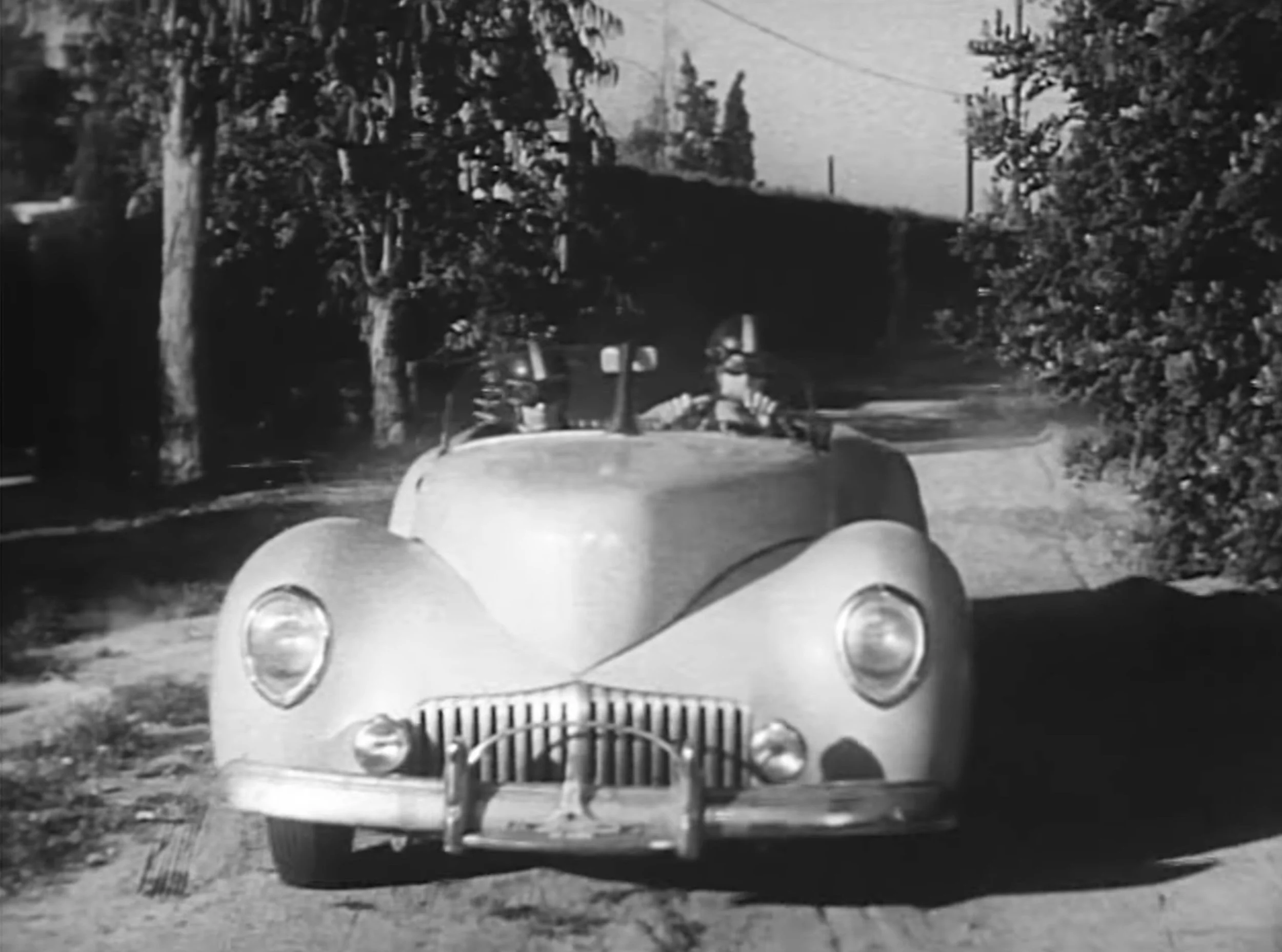
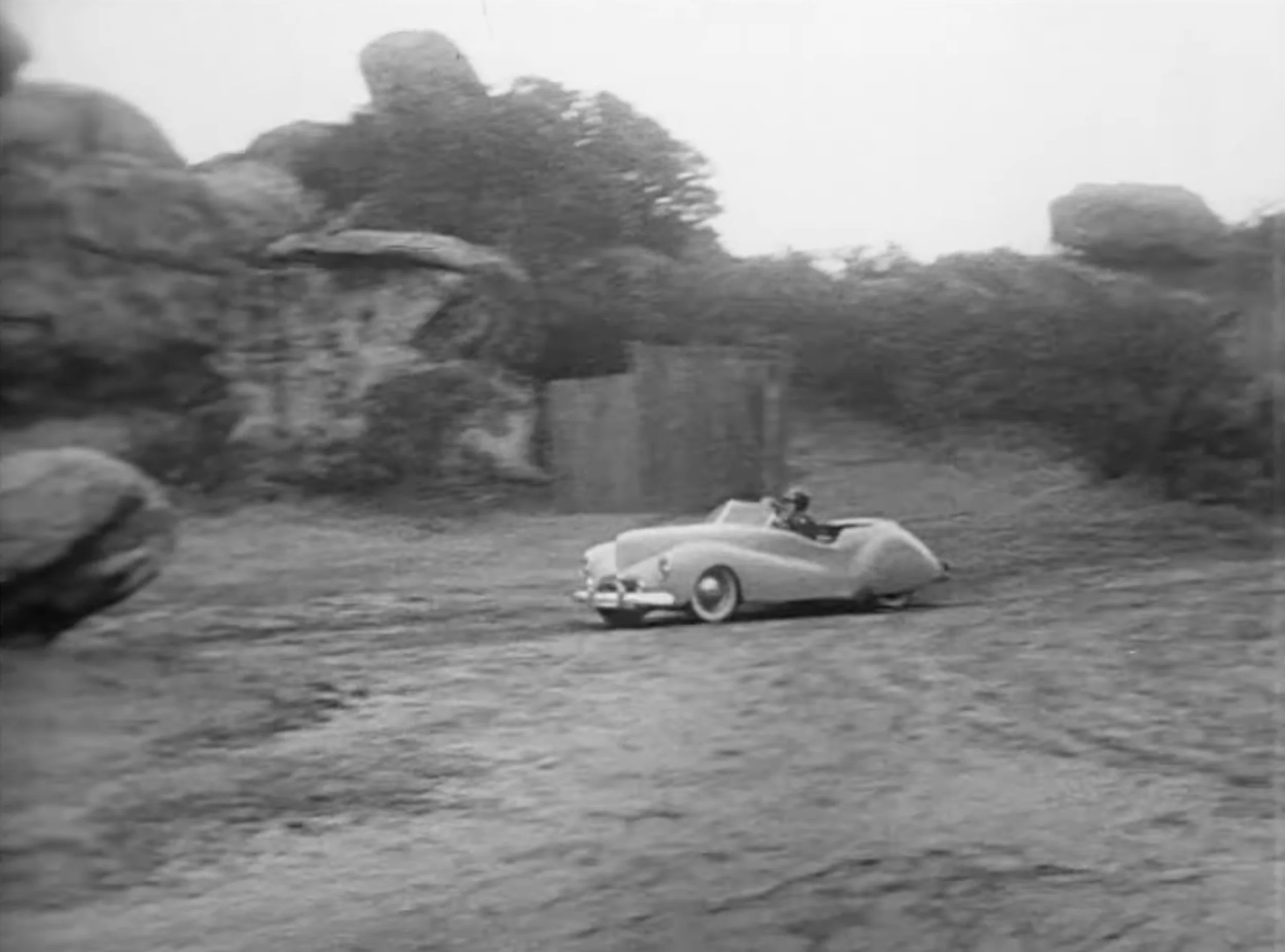
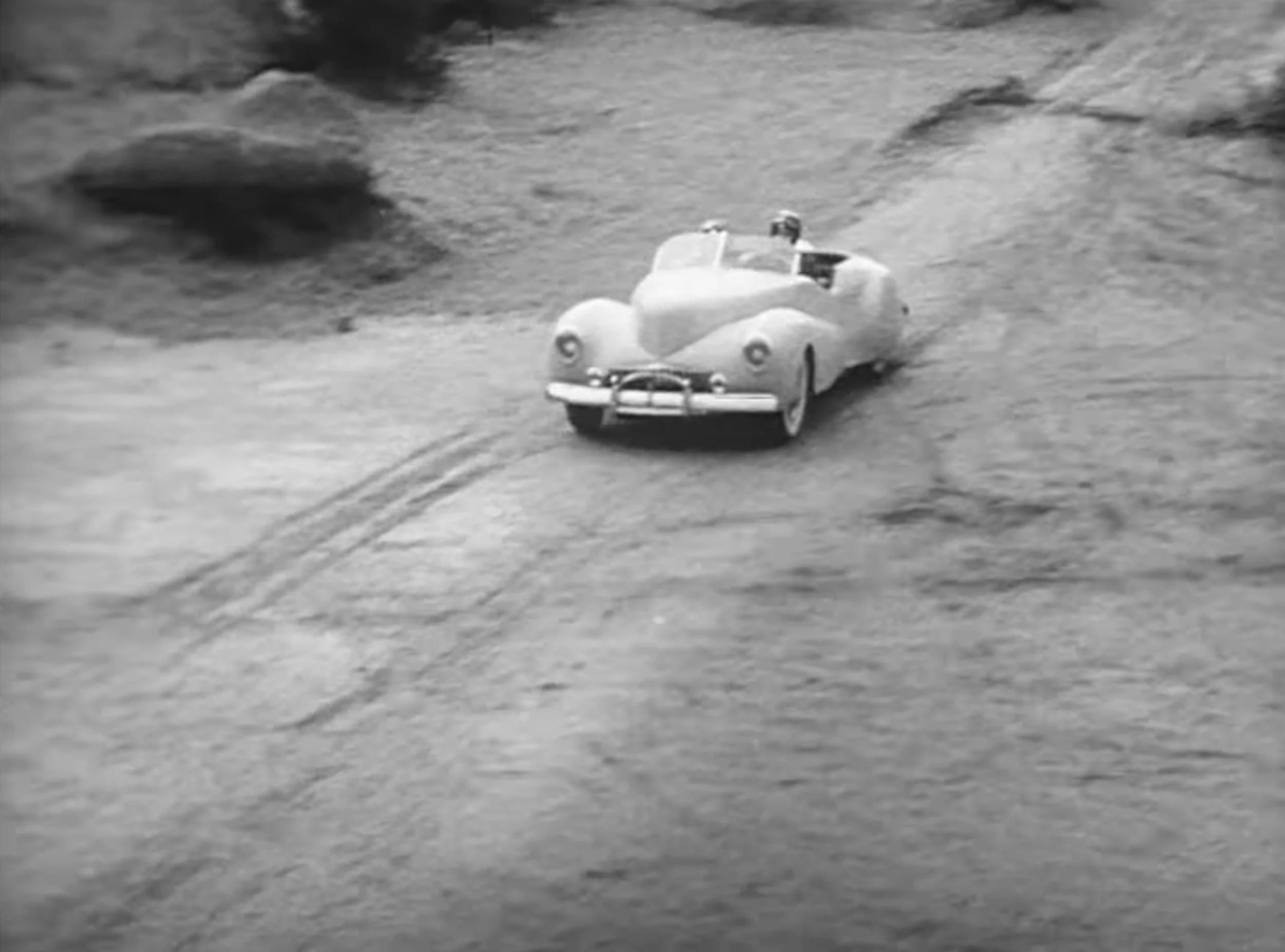
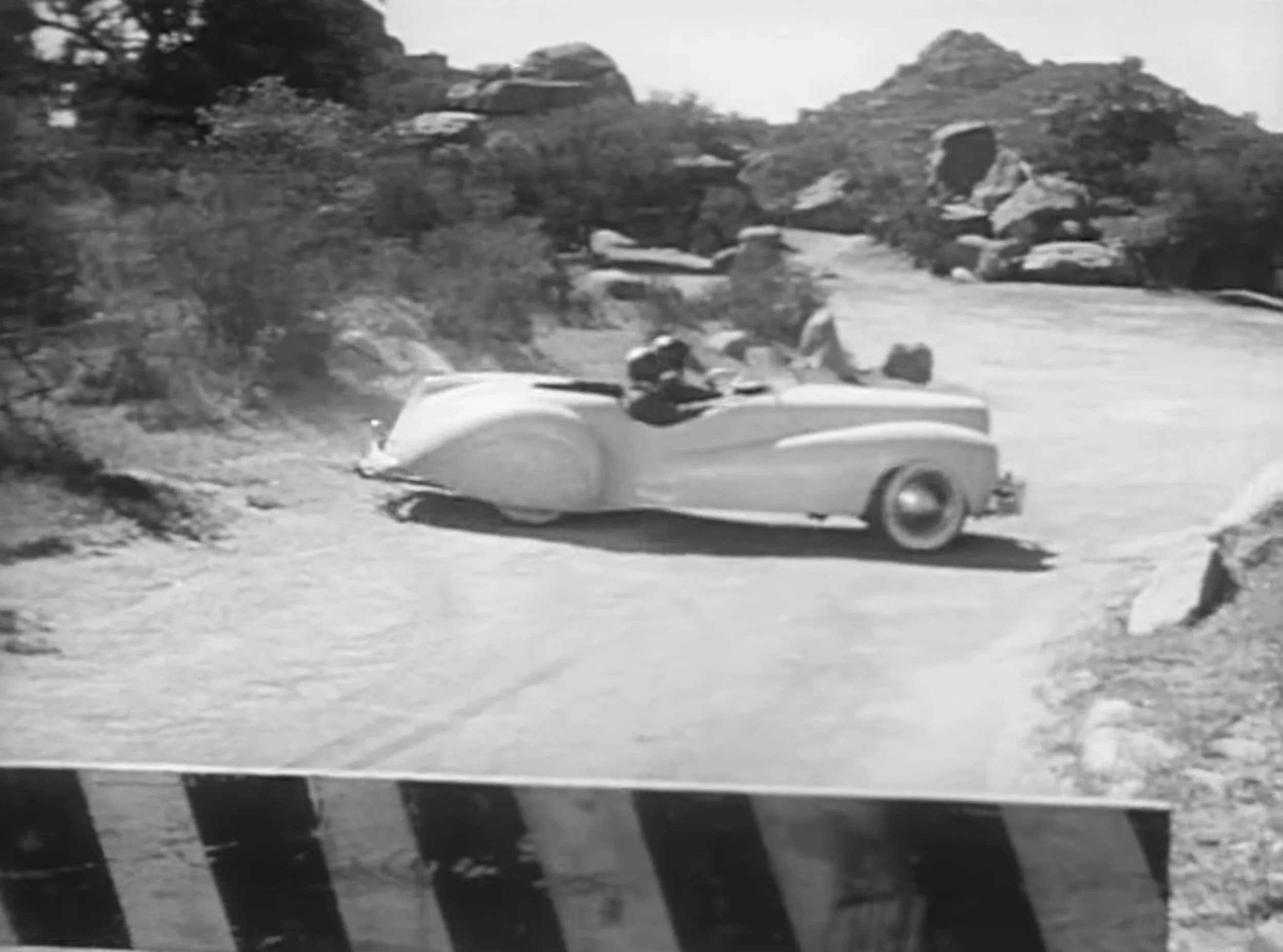
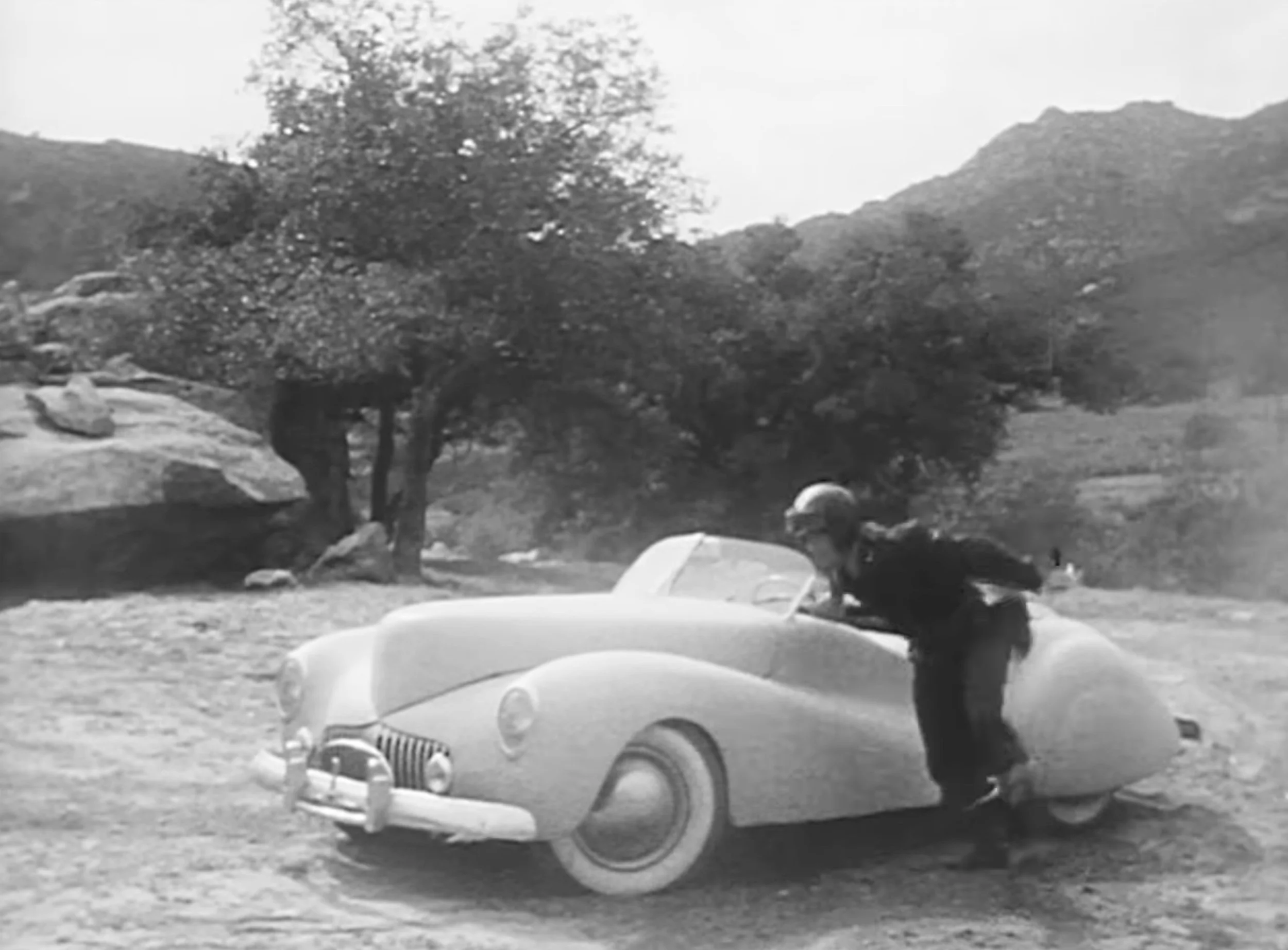
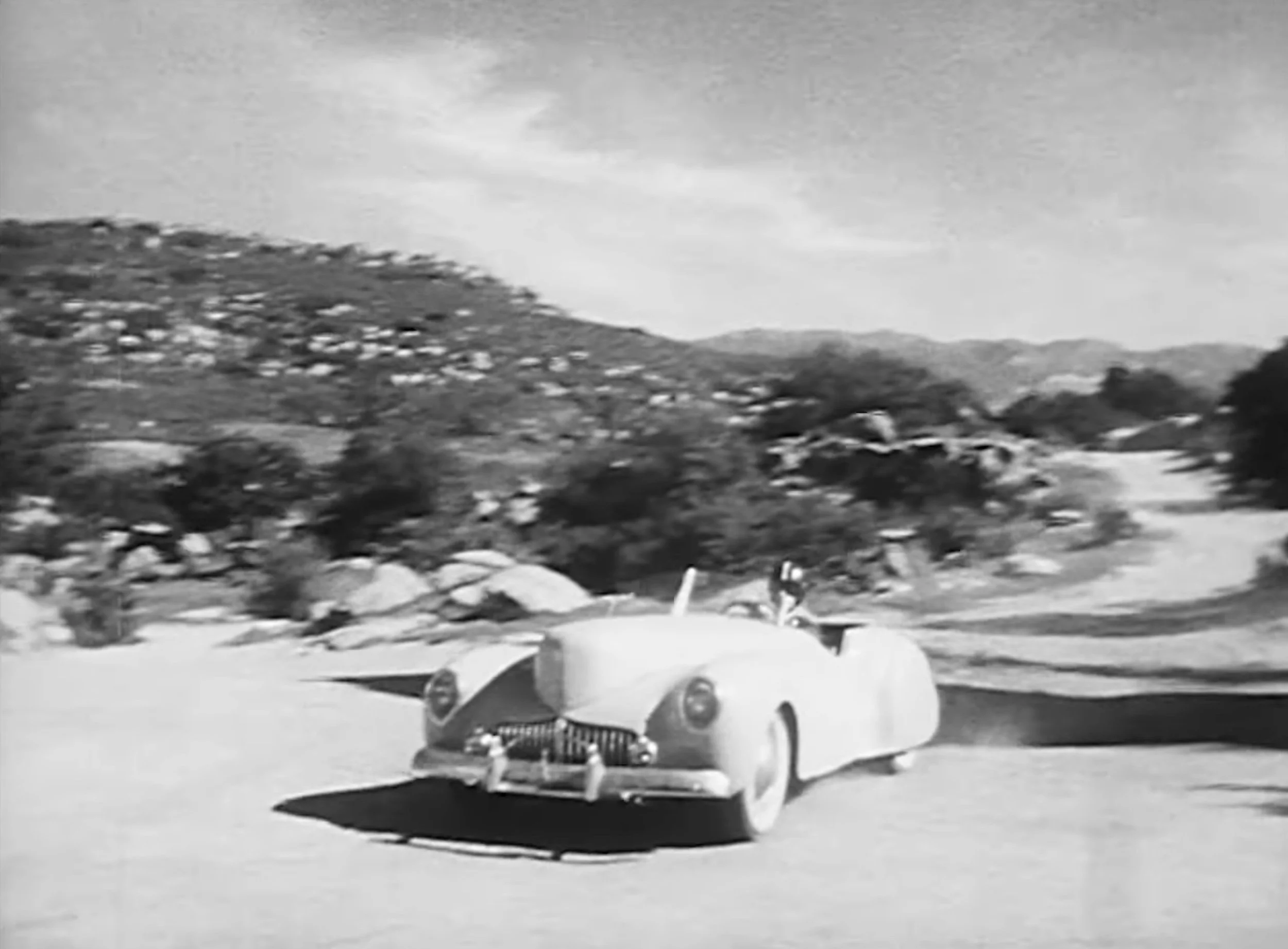
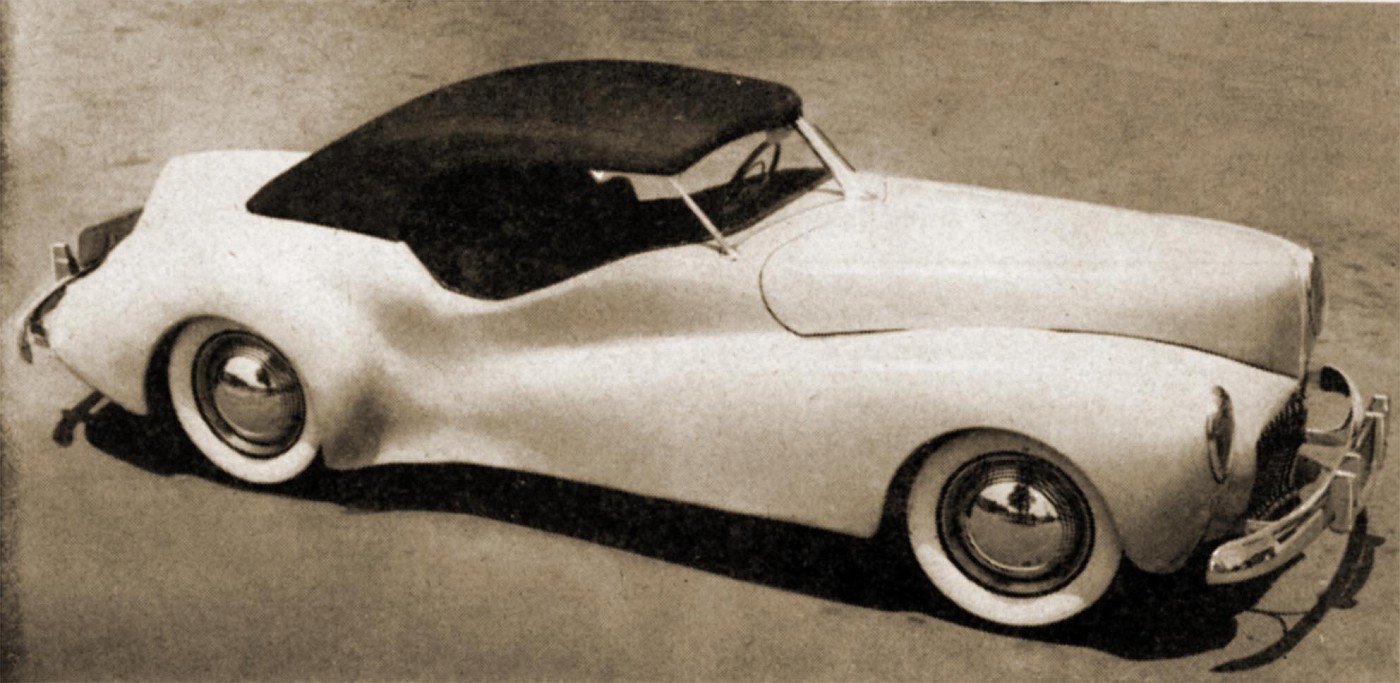
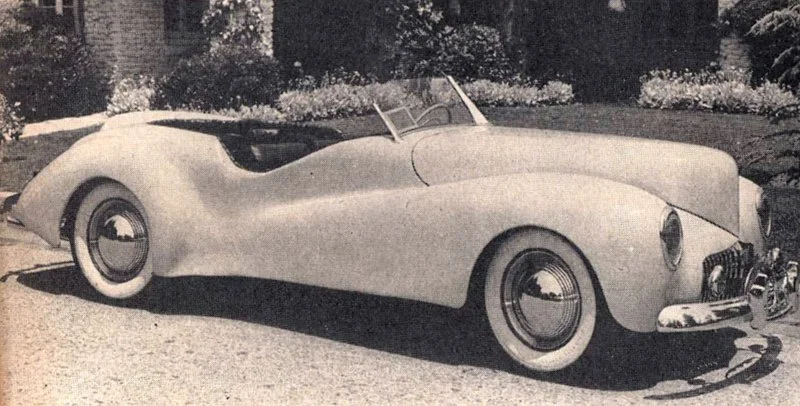
The Jetmobile is Captain Video's signature high-tech ground vehicle in the serial. Although it looks like a modified contemporary automobile, it is portrayed as an advanced scientific machine used for rapid travel, escapes, and chases. It appears throughout the story as the Captain's primary transportation on Earth, complementing the spacecraft used for interplanetary missions.
-
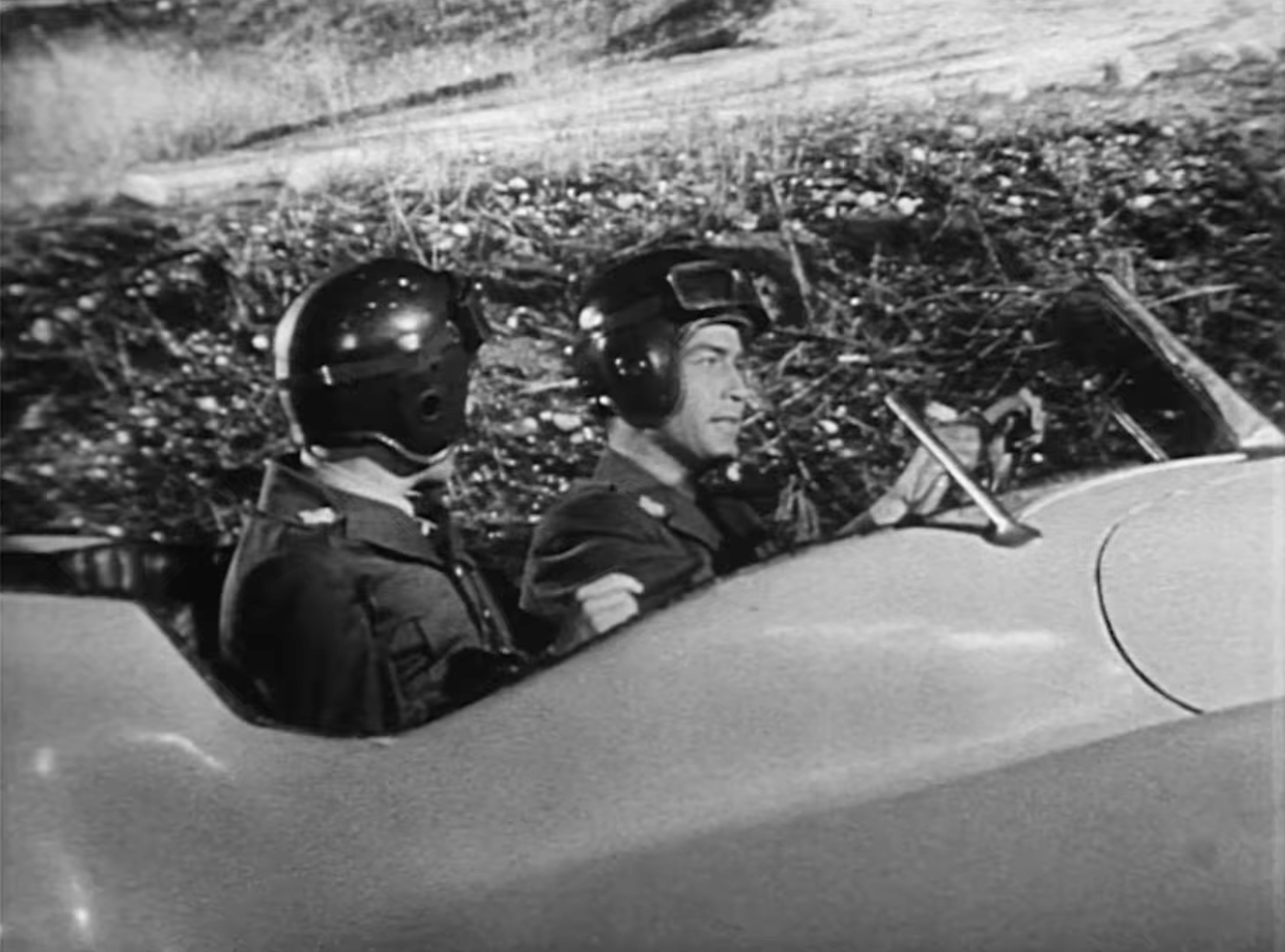
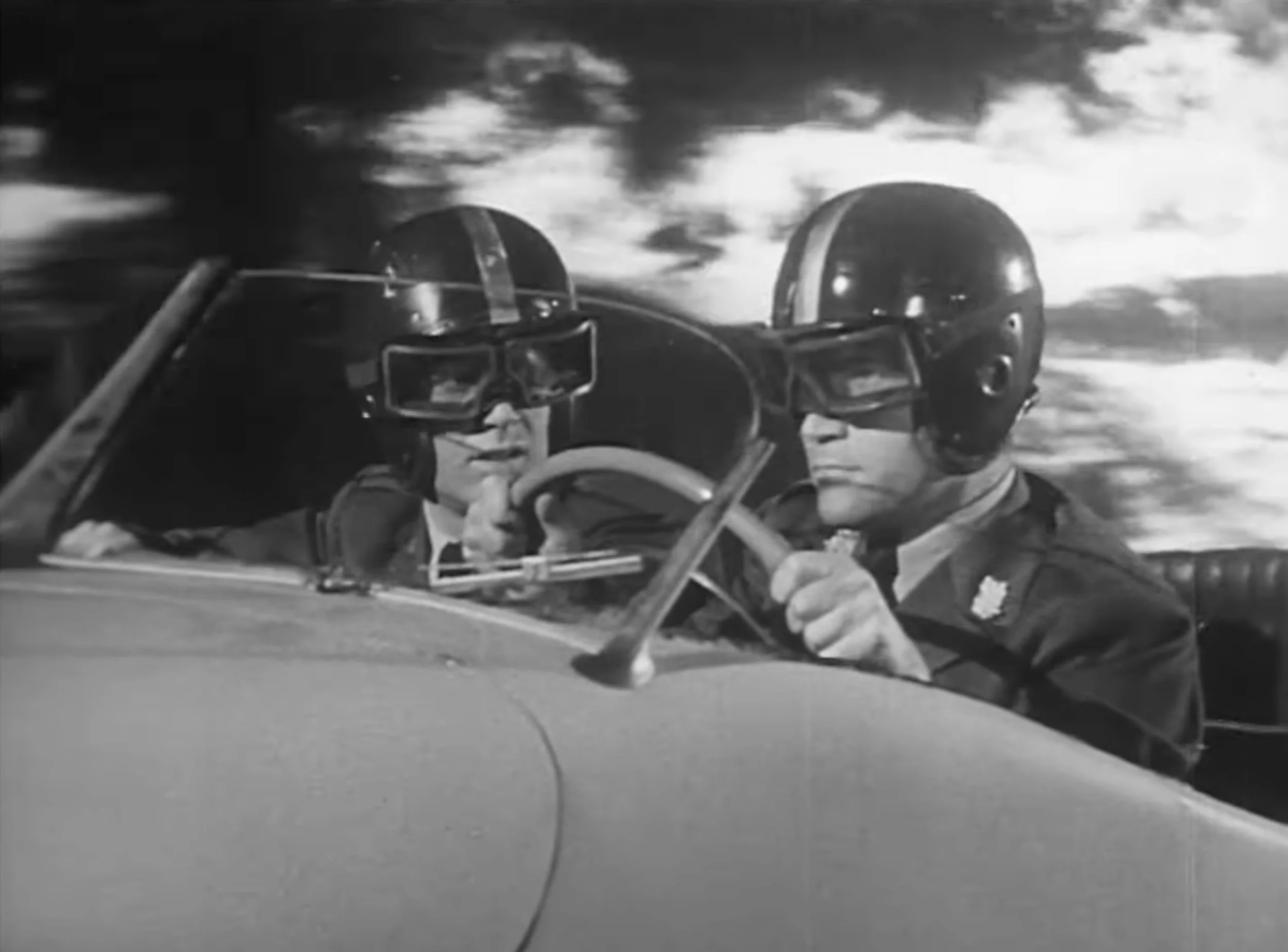
In the Captain Video universe, the Jetmobile (often written as two words, "Jet Mobile") served as the primary terrestrial transport for Captain Video and his teenage sidekick, the Video Ranger. It was their go-to vehicle for speeding across Earth's surface to intercept villains, race to disaster sites, or escape traps.
Here is how the vehicle factored into the series, specifically regarding its role and production:
1. Role in the Theatrical Serial (1951)
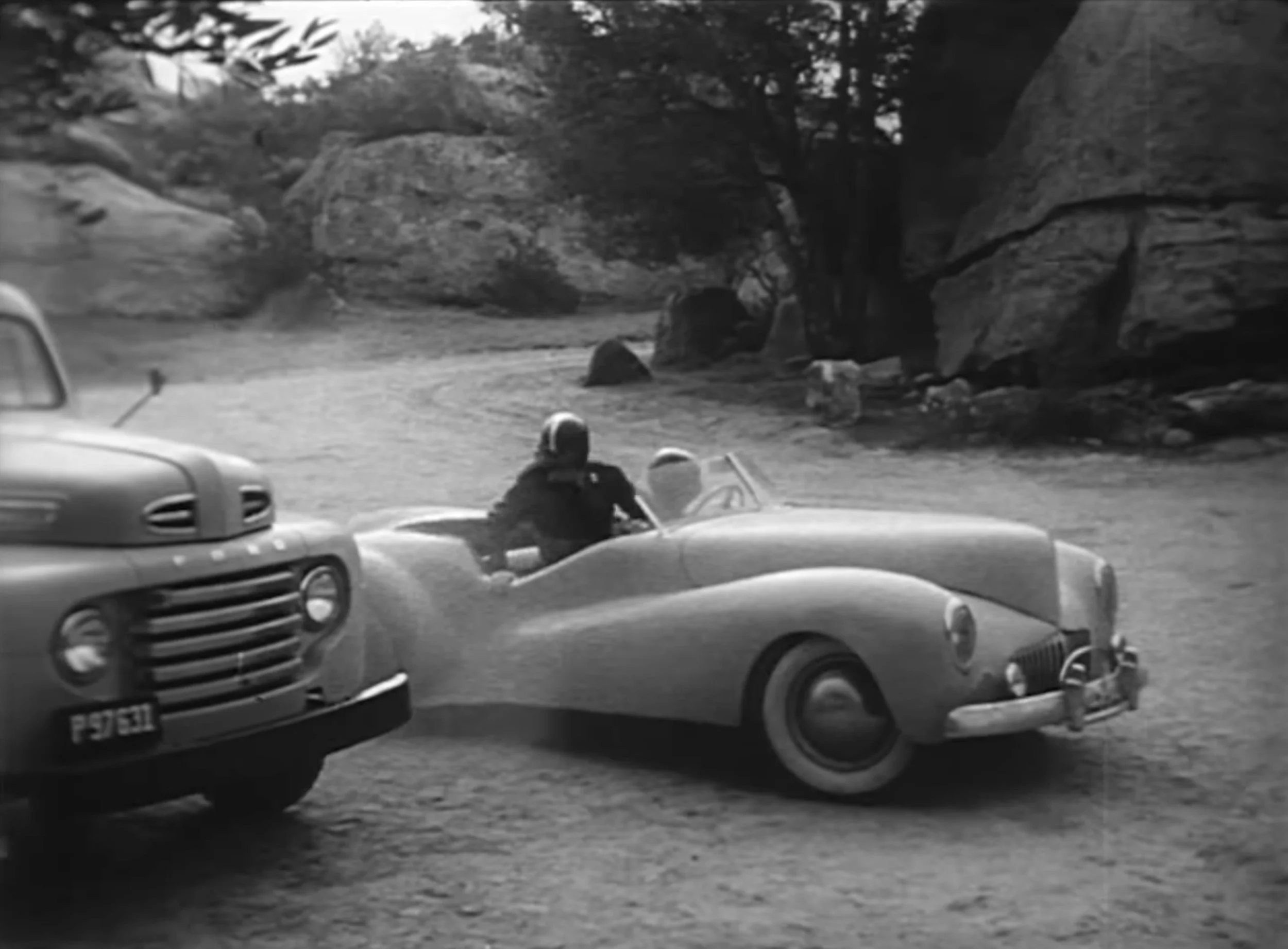
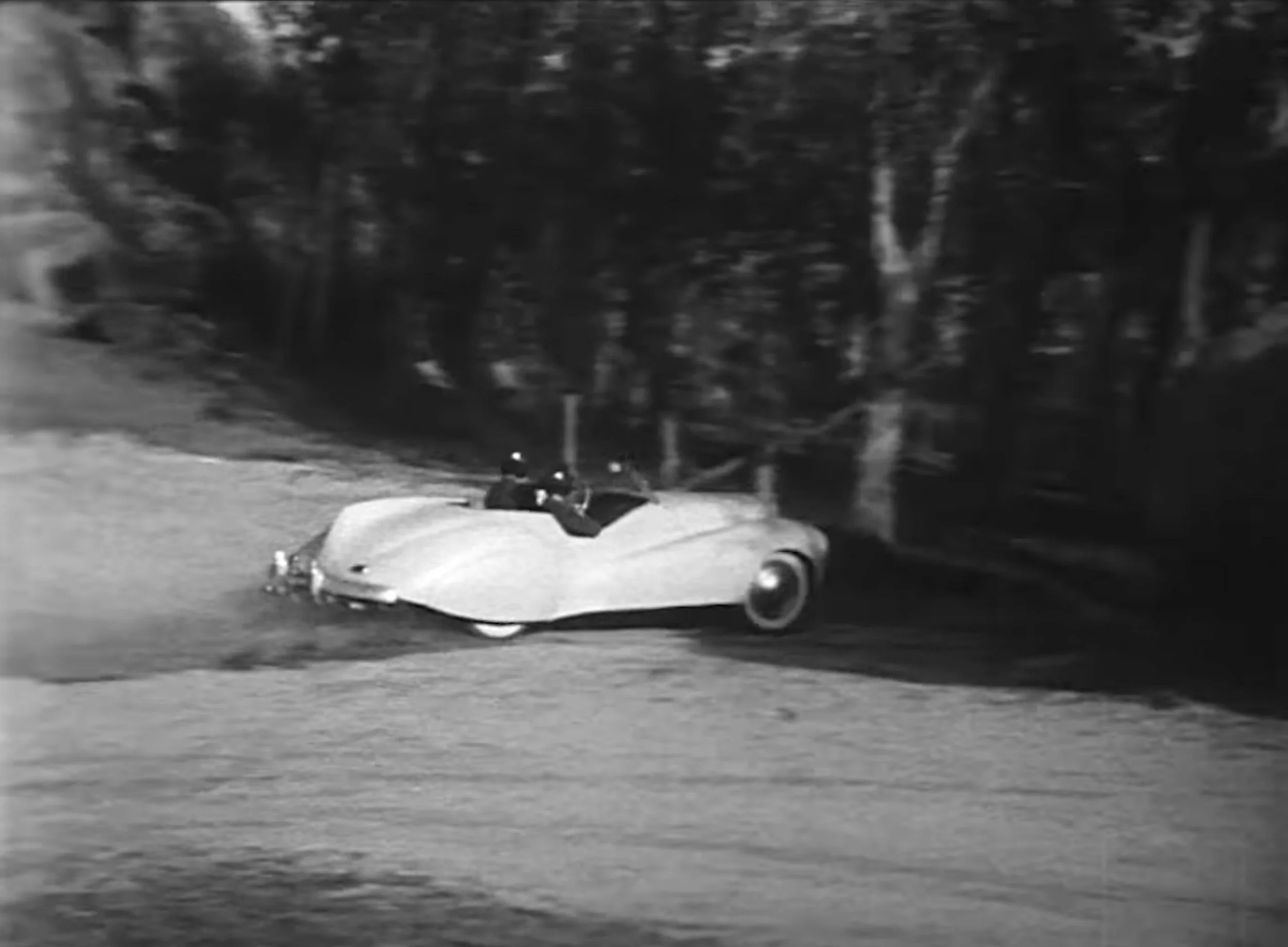
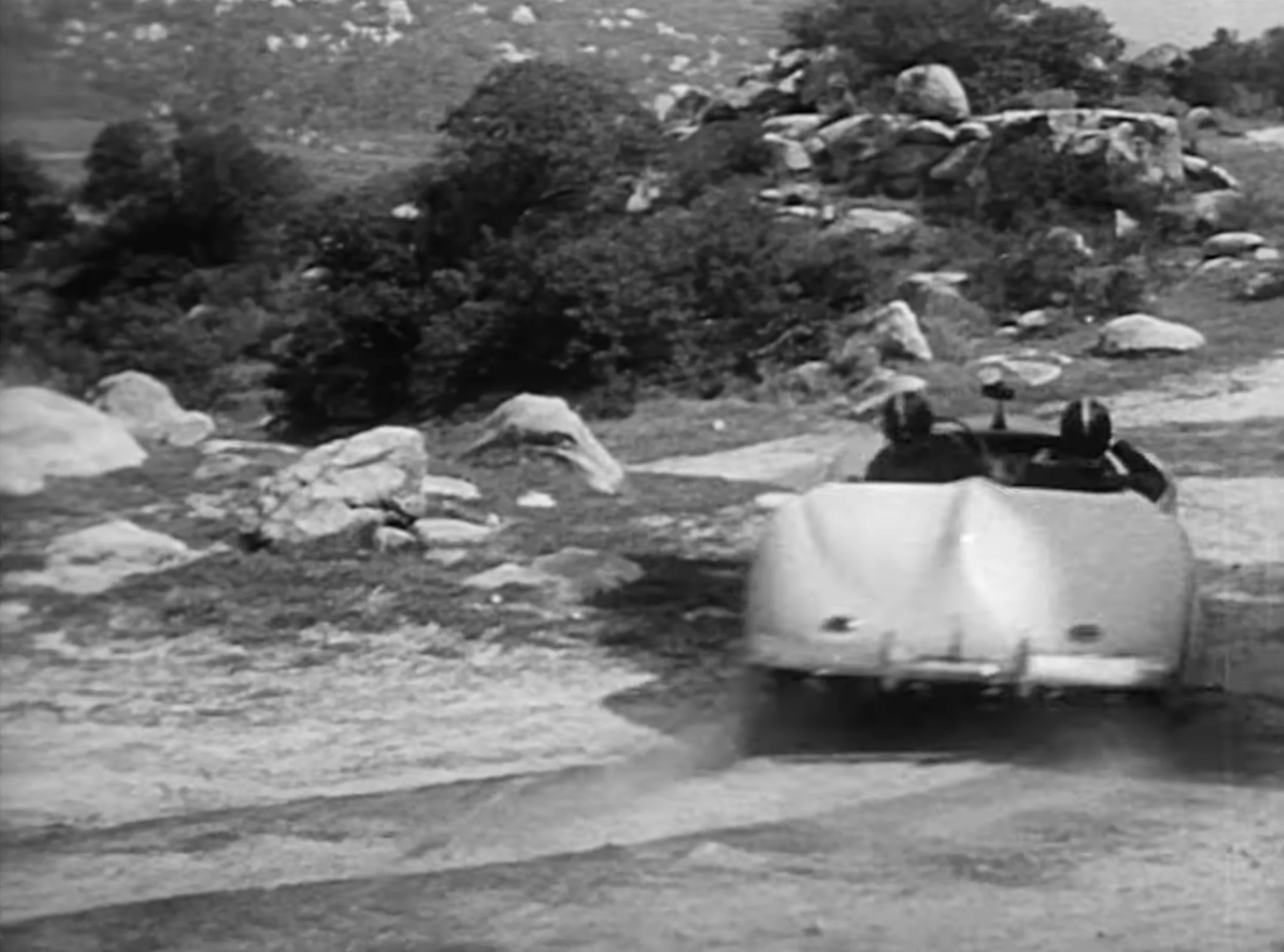
The Jetmobile is most famous for its prominent role in the 15-chapter Columbia Pictures theatrical serial, Captain Video: Master of the Stratosphere. In the serial, it acted as a rapid-response vehicle. Whenever the plot required the heroes to leave their secret mountain headquarters to investigate a threat on Earth, they would hop into the Jetmobile.
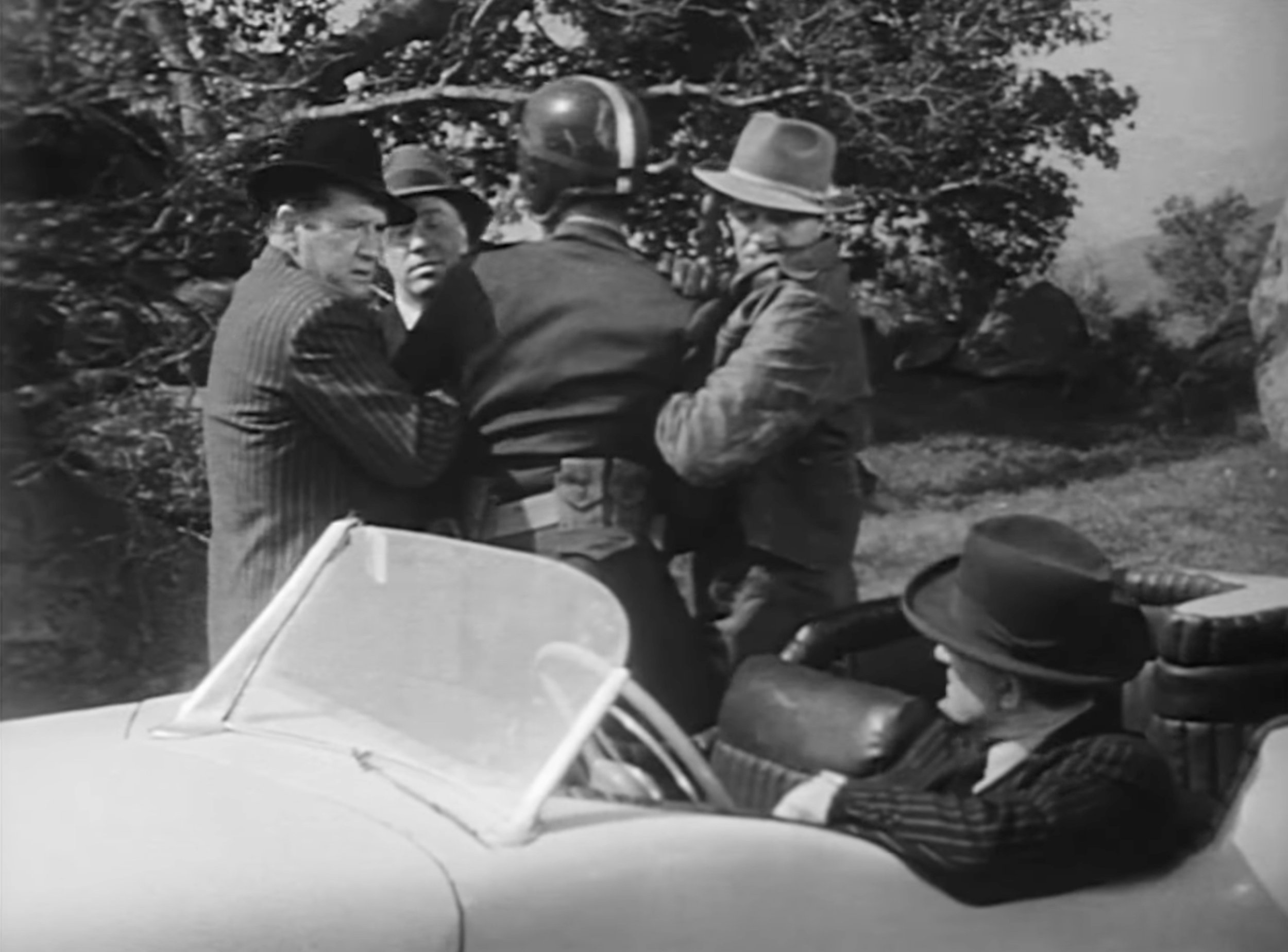
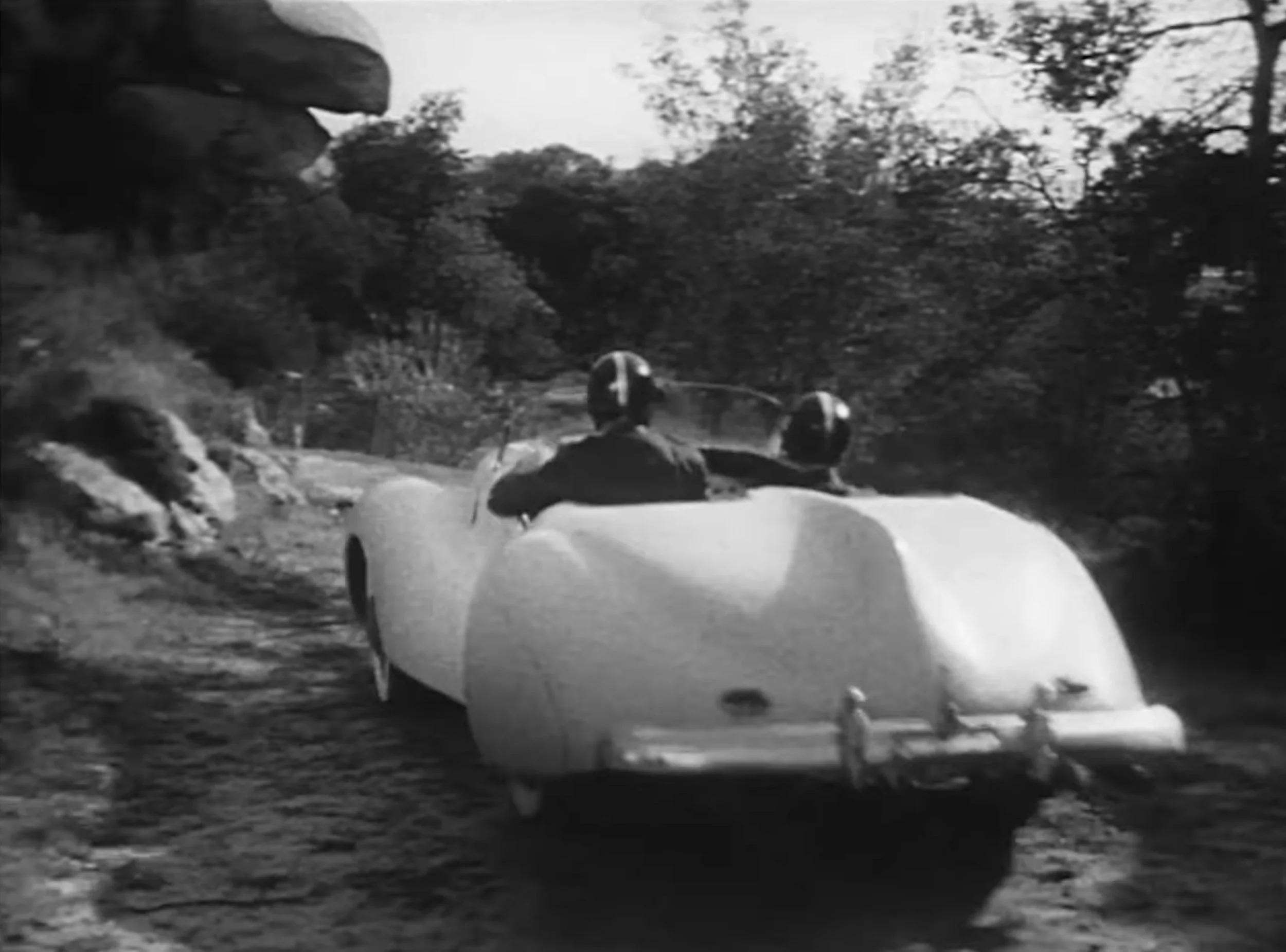
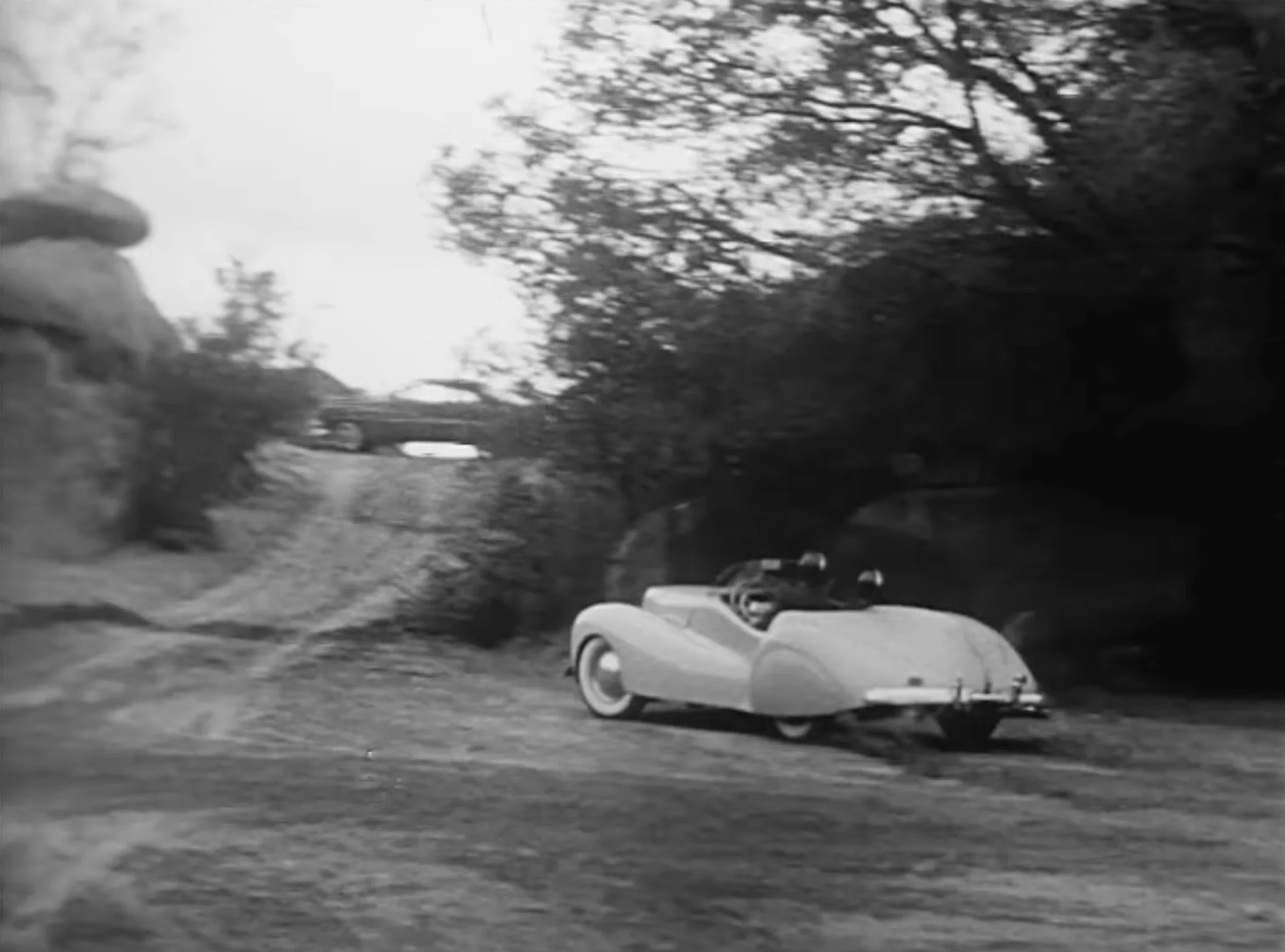
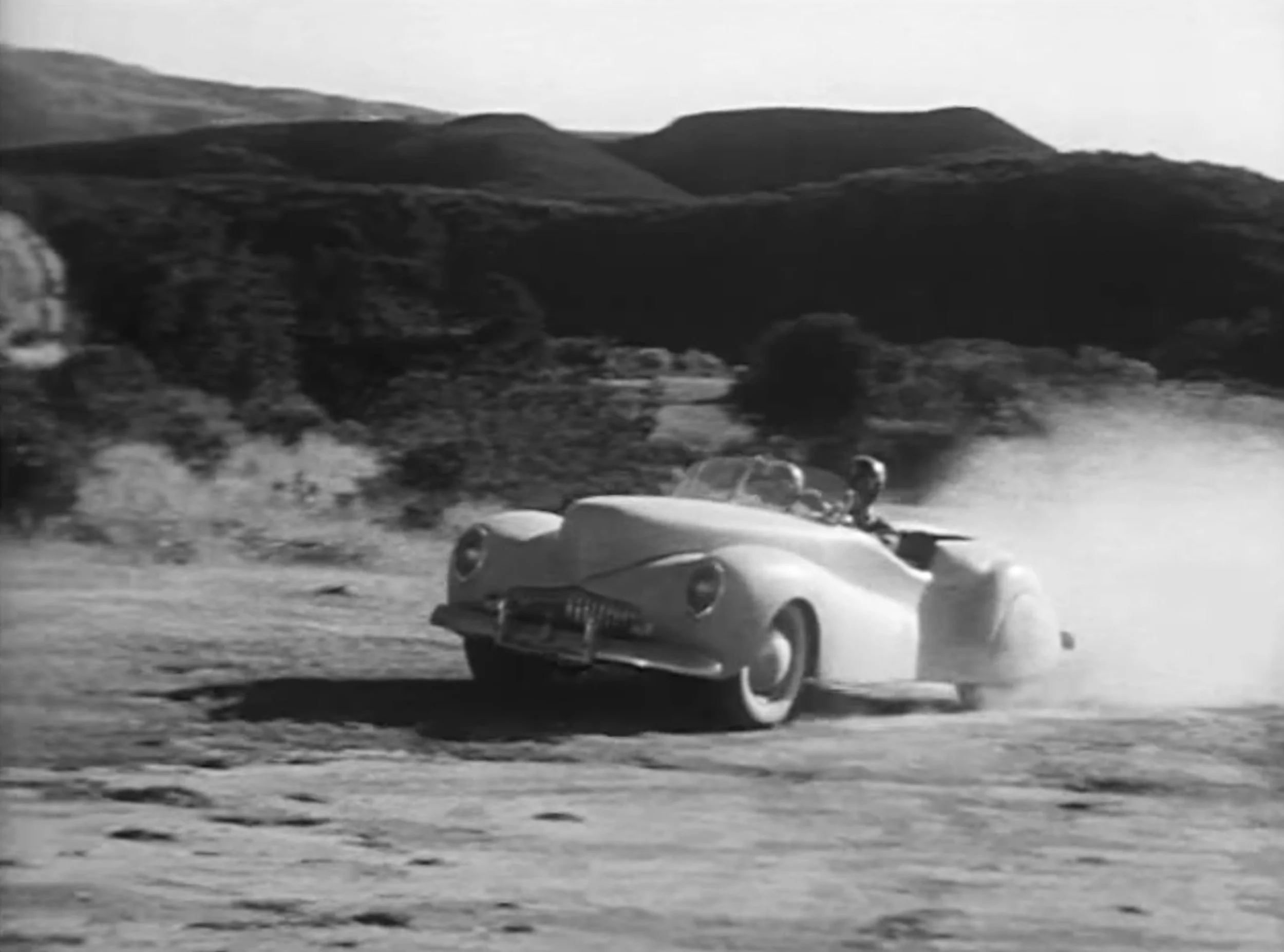
It was featured in several action sequences and car chases throughout the serial, serving as a reliable escape pod or pursuit vehicle whenever the heroes were pinned down by the forces of the alien dictator Vultura.
2. A "Gadget" Driven Plot Device
True to the nature of early 1950s sci-fi serials, the Jetmobile was treated less like a normal car and more like a high-tech gadget. The writing frequently relied on "technobabble," with the heroes explaining the car's advanced capabilities on the fly to get themselves out of tight spots. Whether they needed to outrun an explosion or dodge bombs dropped by an enemy aircraft, the Jetmobile's unspecified "super-powered" speed was the ultimate deus ex machina.
3. Production Origins: A Real-World Custom Car
Unlike the spaceships in the series, which were often rendered using budget-saving cartoons or small miniatures, the Jetmobile was a real, full-sized vehicle that could drive around convincingly.
The Build: It was a "Sport Custom" vehicle built by California-based fabricator C.H. Peterson.
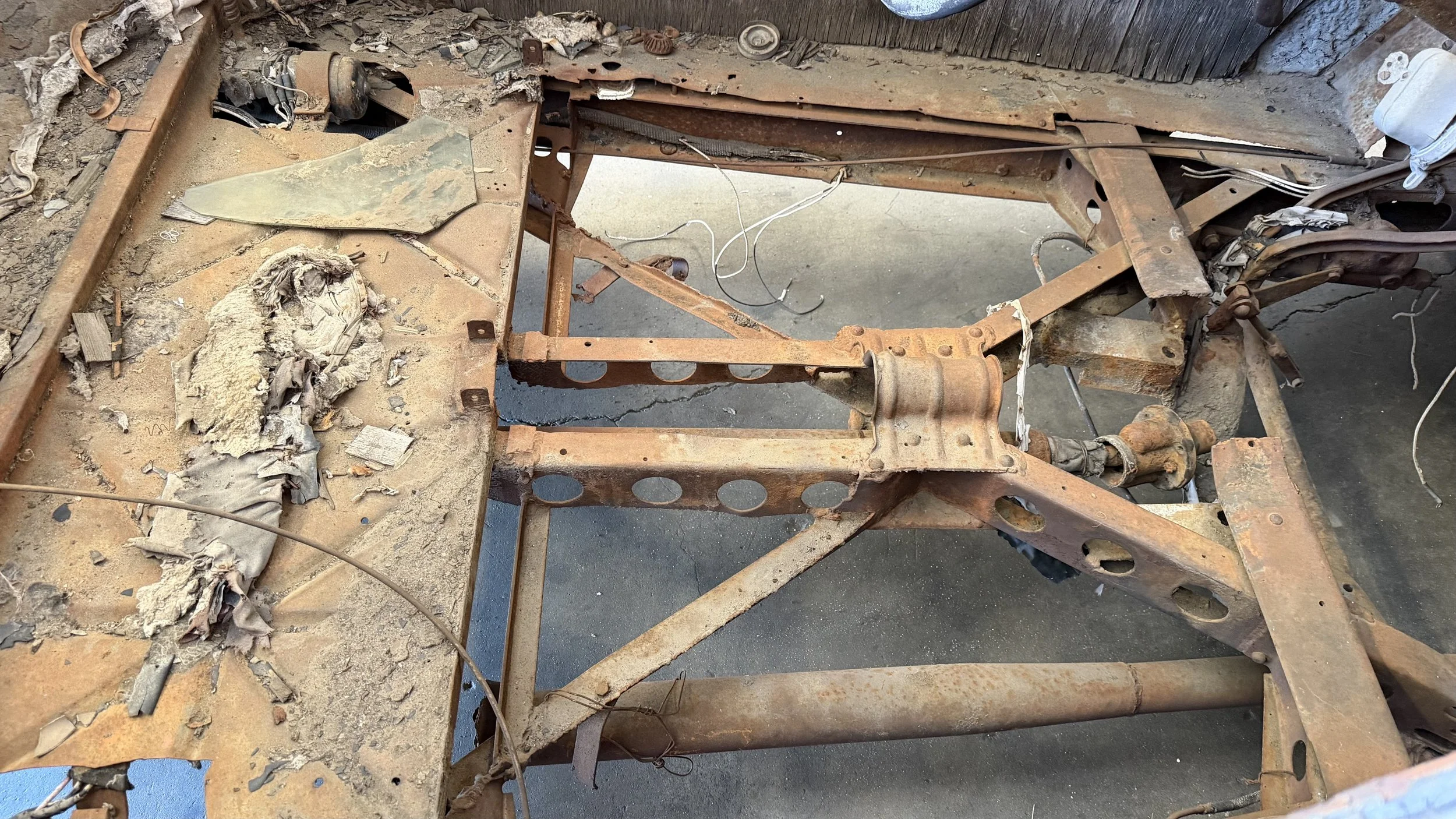
The Frame and Engine: It was constructed on a 1940 Willys frame and powered by a high-performance racing Ford engine (leading to it occasionally being referred to as a "Ford-Willys").
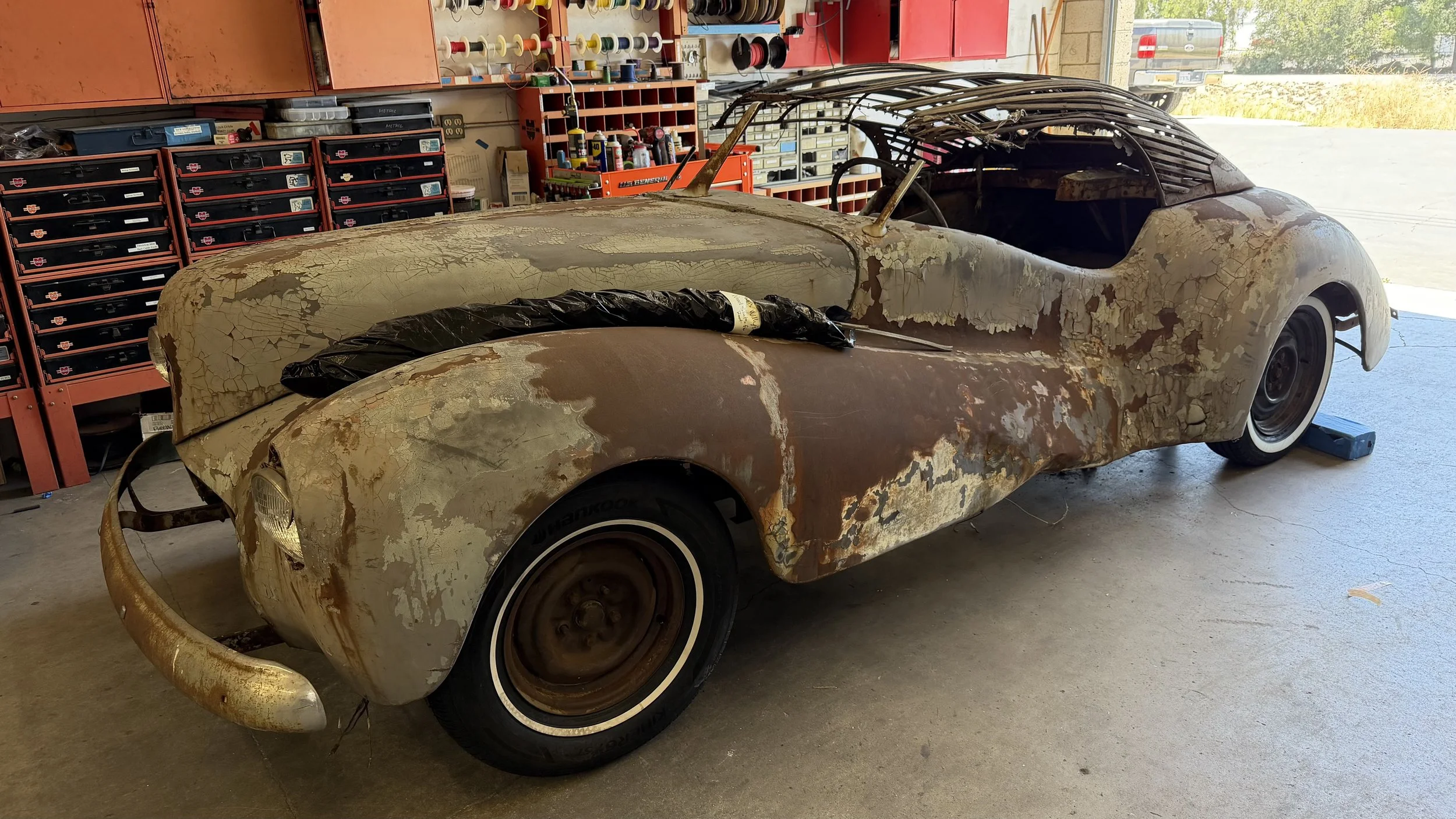
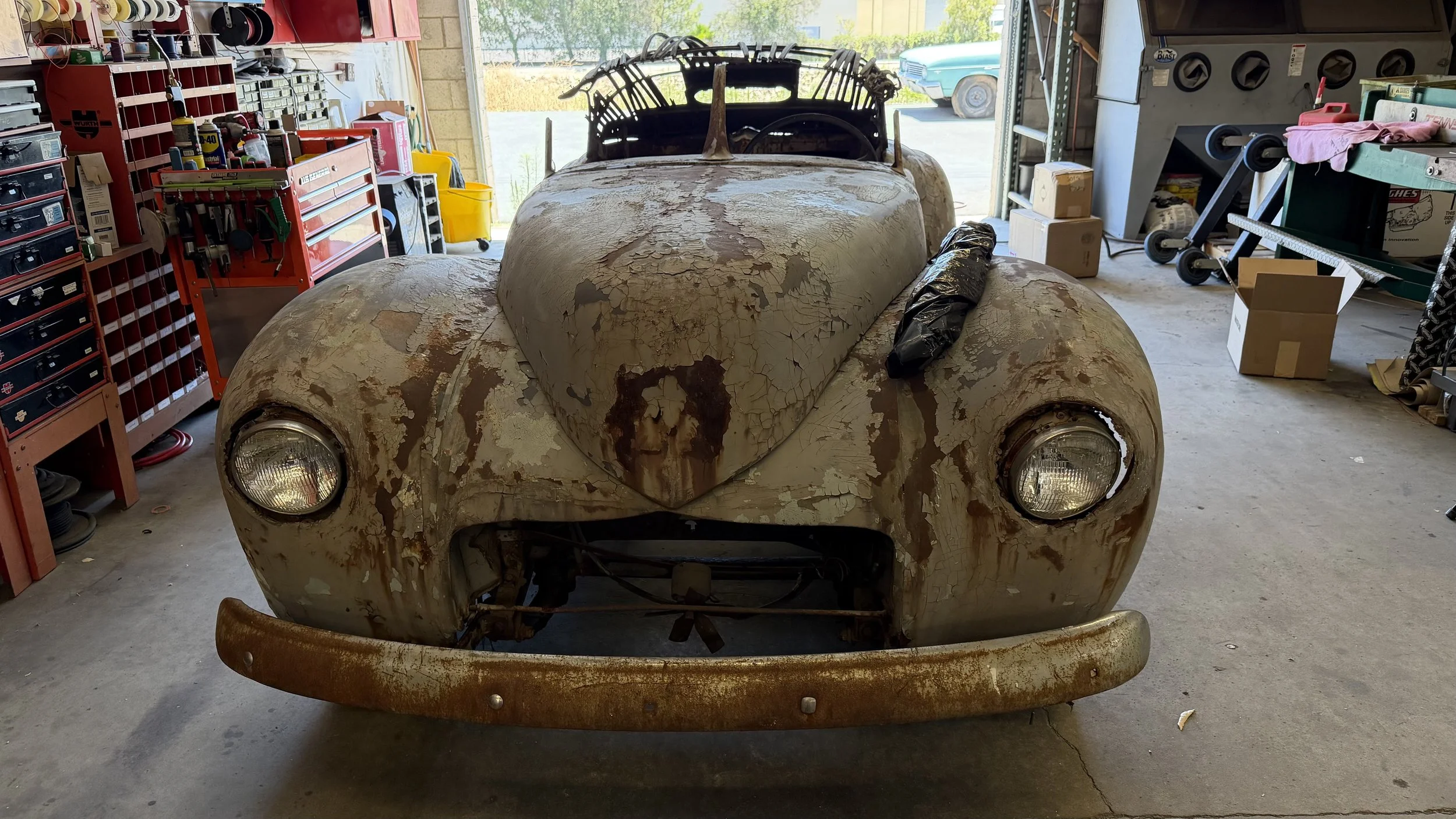
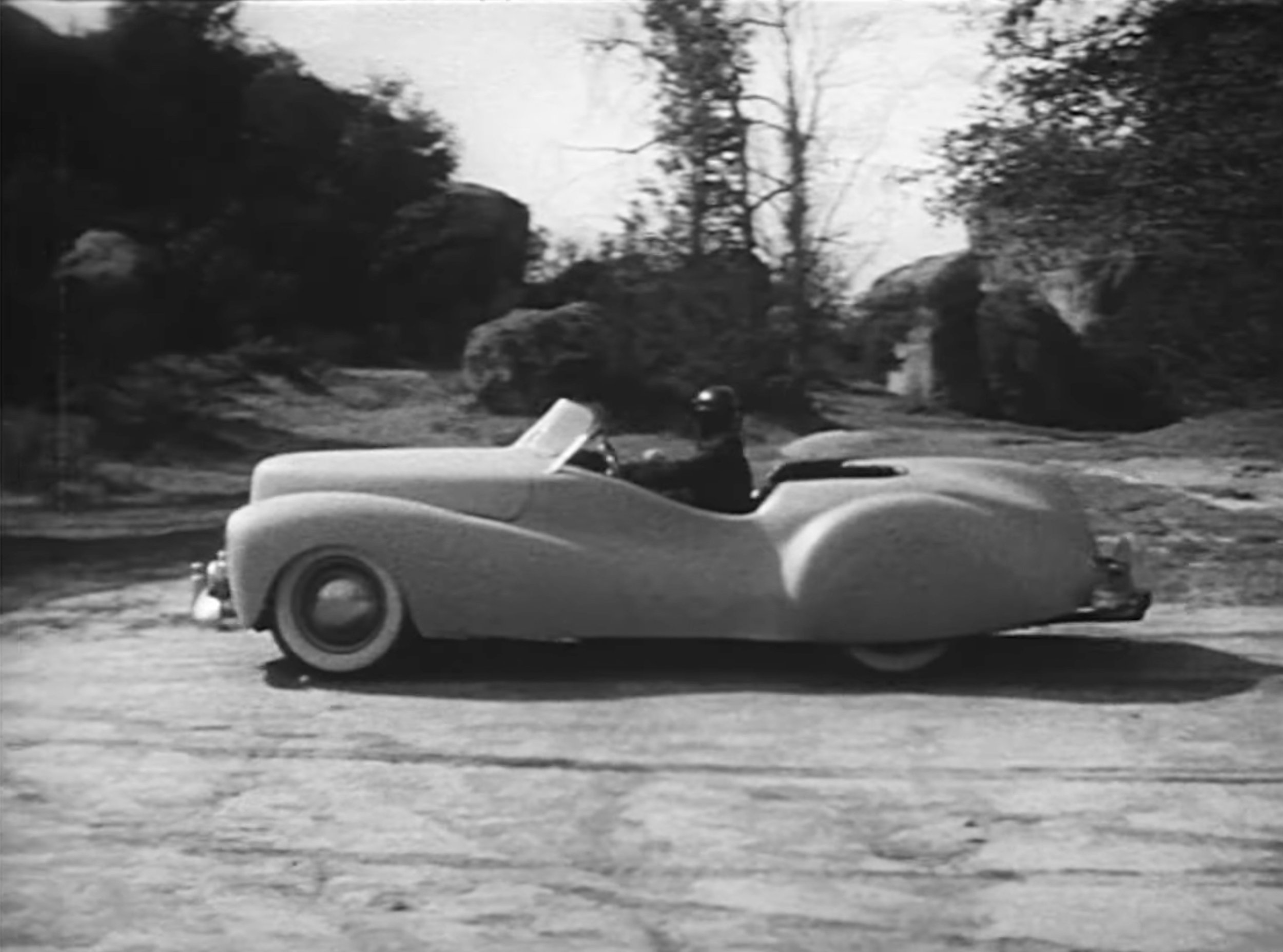
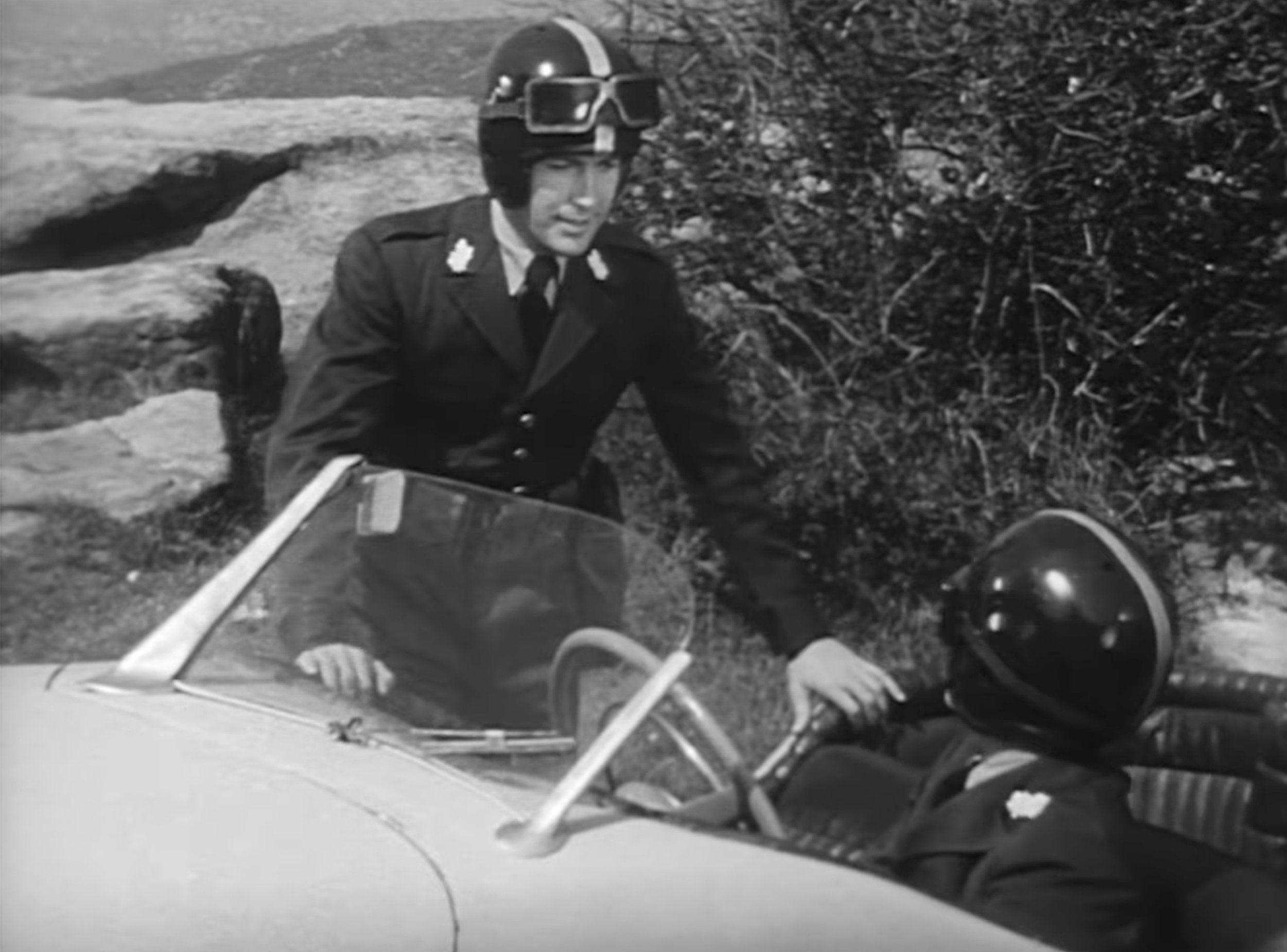
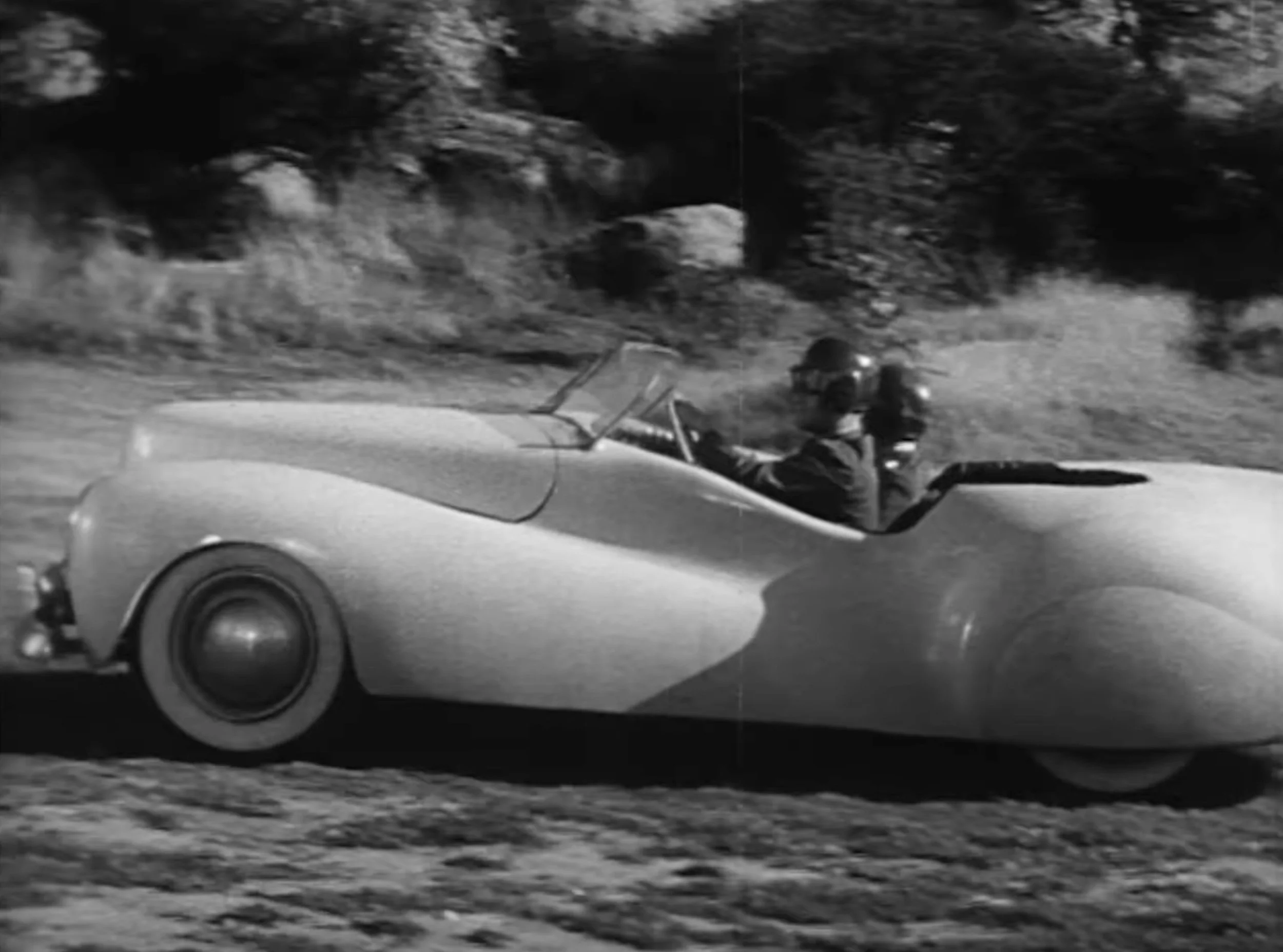
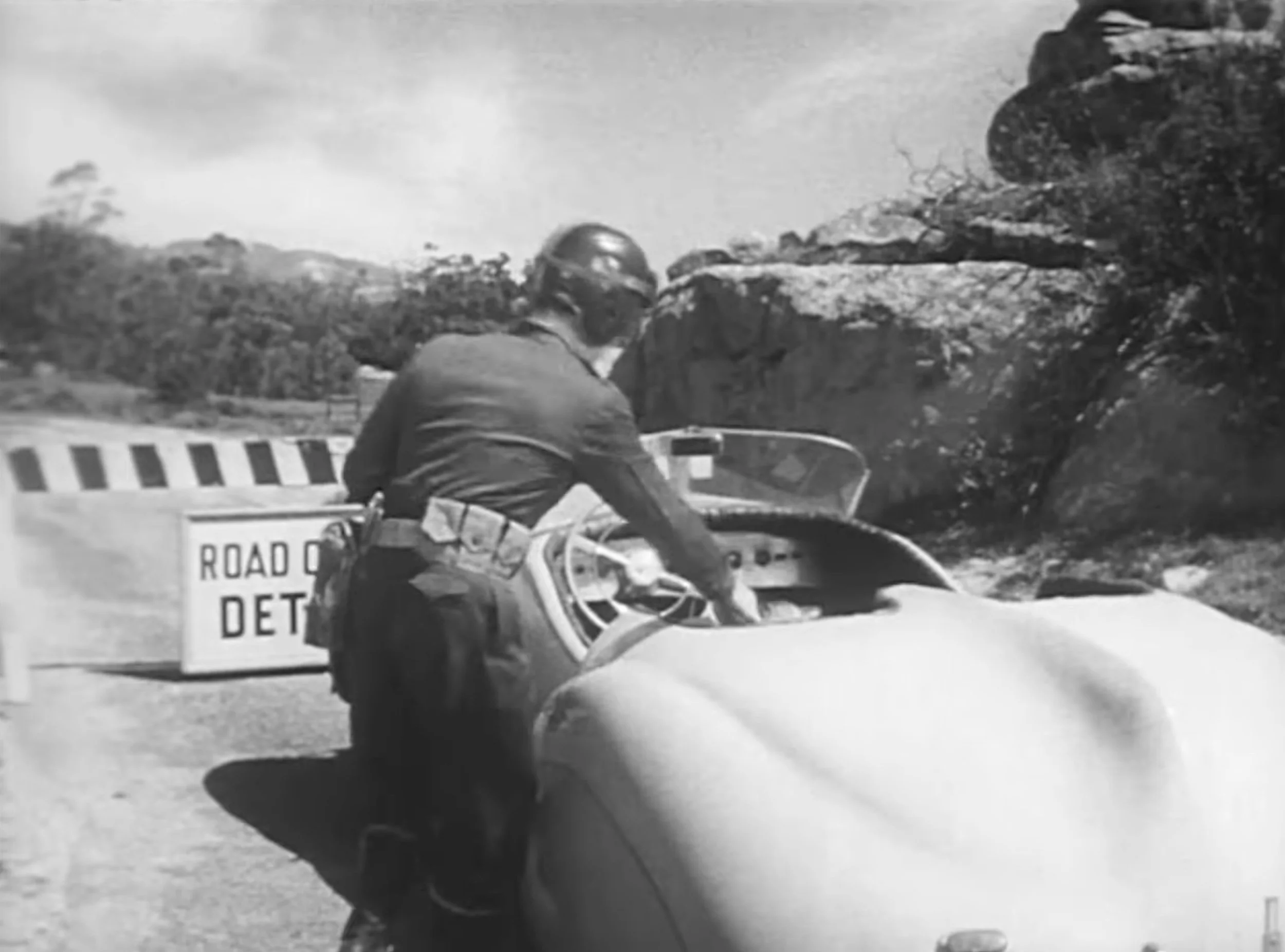
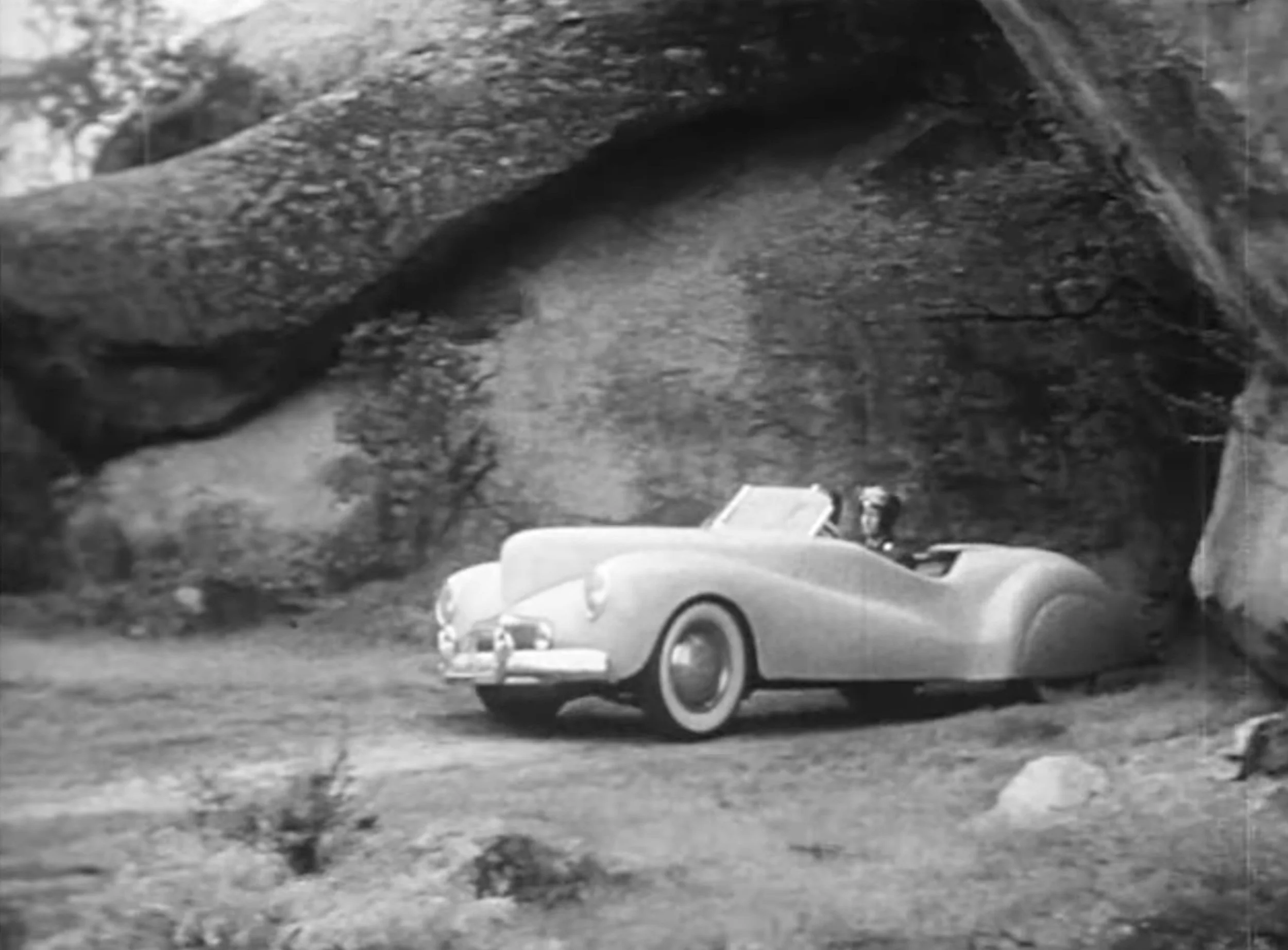
Design Details: The body was a custom creation made from hand-formed sheet metal, featuring the crown of the front fenders from a 1940 Willys, the crown of the hood from a 1941 Ford, a grille from a 1946 DeSoto and bumpers from a 1942 Ford. It lacked doors, requiring the actors to climb over the side to get into the cockpit.
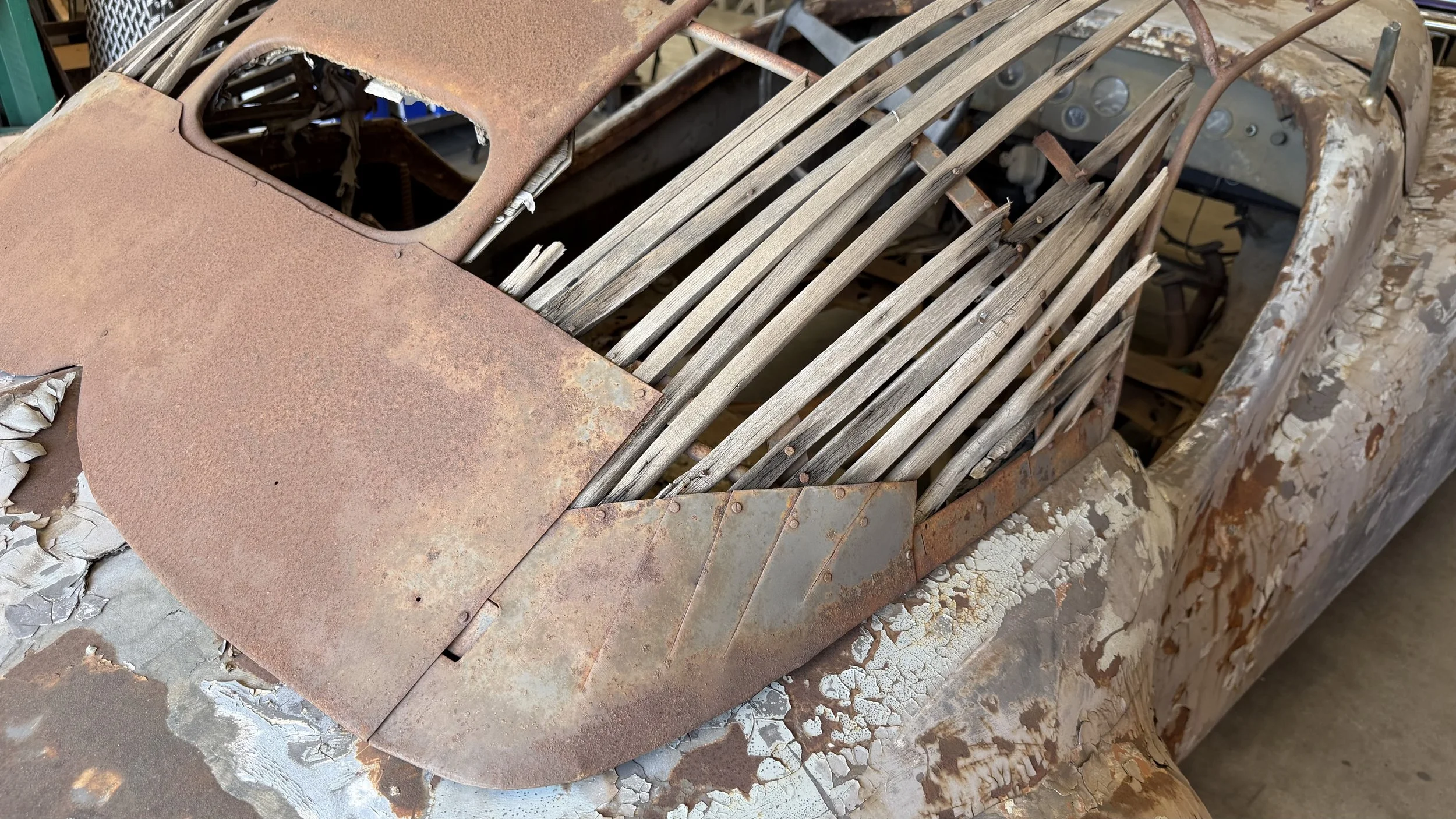
Removable Top: The car was designed with a red canvas top that could be raised and lowered with two electric motors.
Because it was a physical, sleek-looking prop that could actually navigate terrain, it was widely considered the most impressive and visually grounded piece of technology in the entire serial.
-
The story of the real-world Jetmobile is an incredible piece of early California custom car history. Because the car wasn’t actually built by Columbia Pictures, but rather rented or acquired for the serial, it didn’t get cut up or thrown away in a studio backlot dump when filming wrapped.
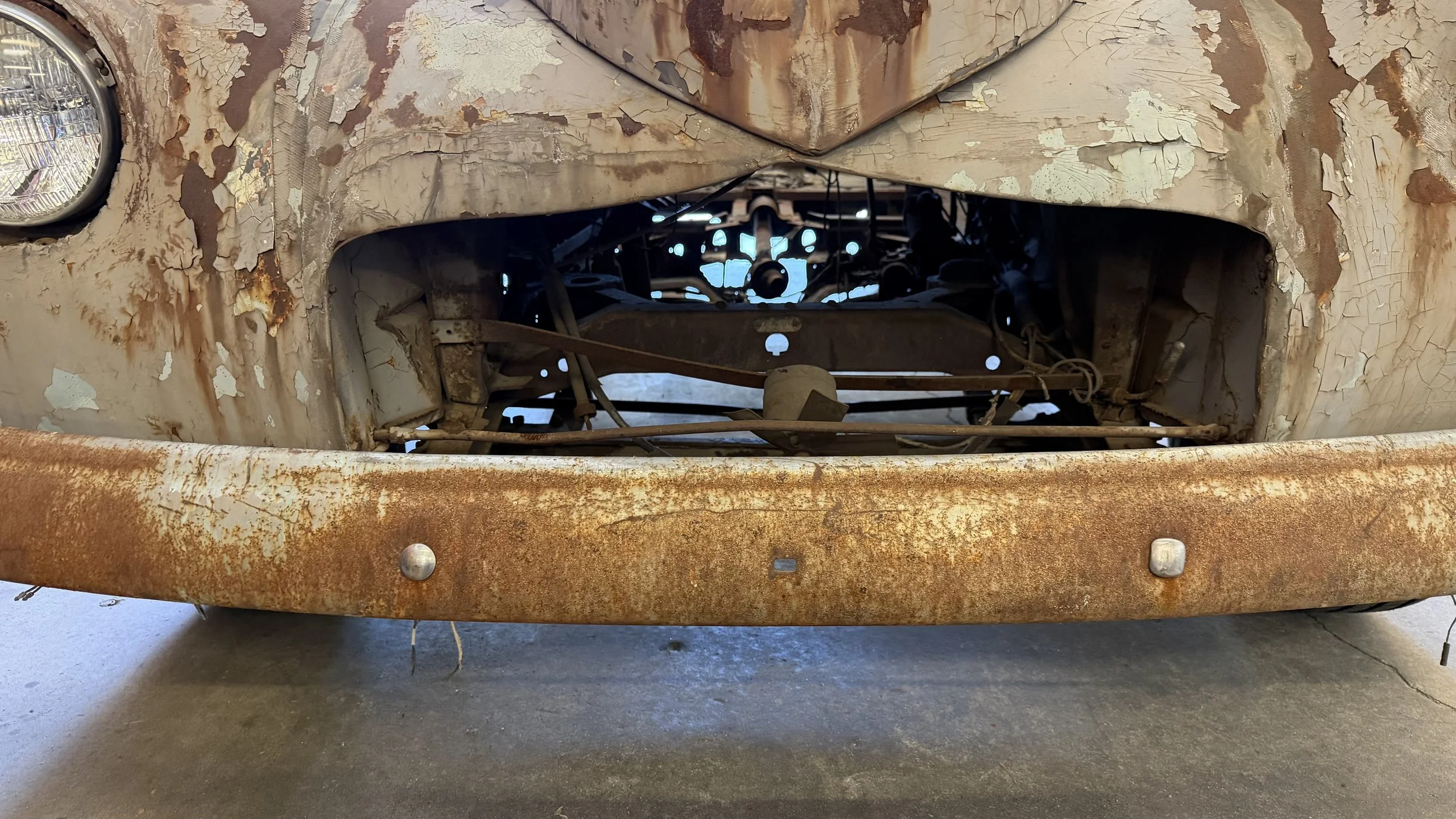
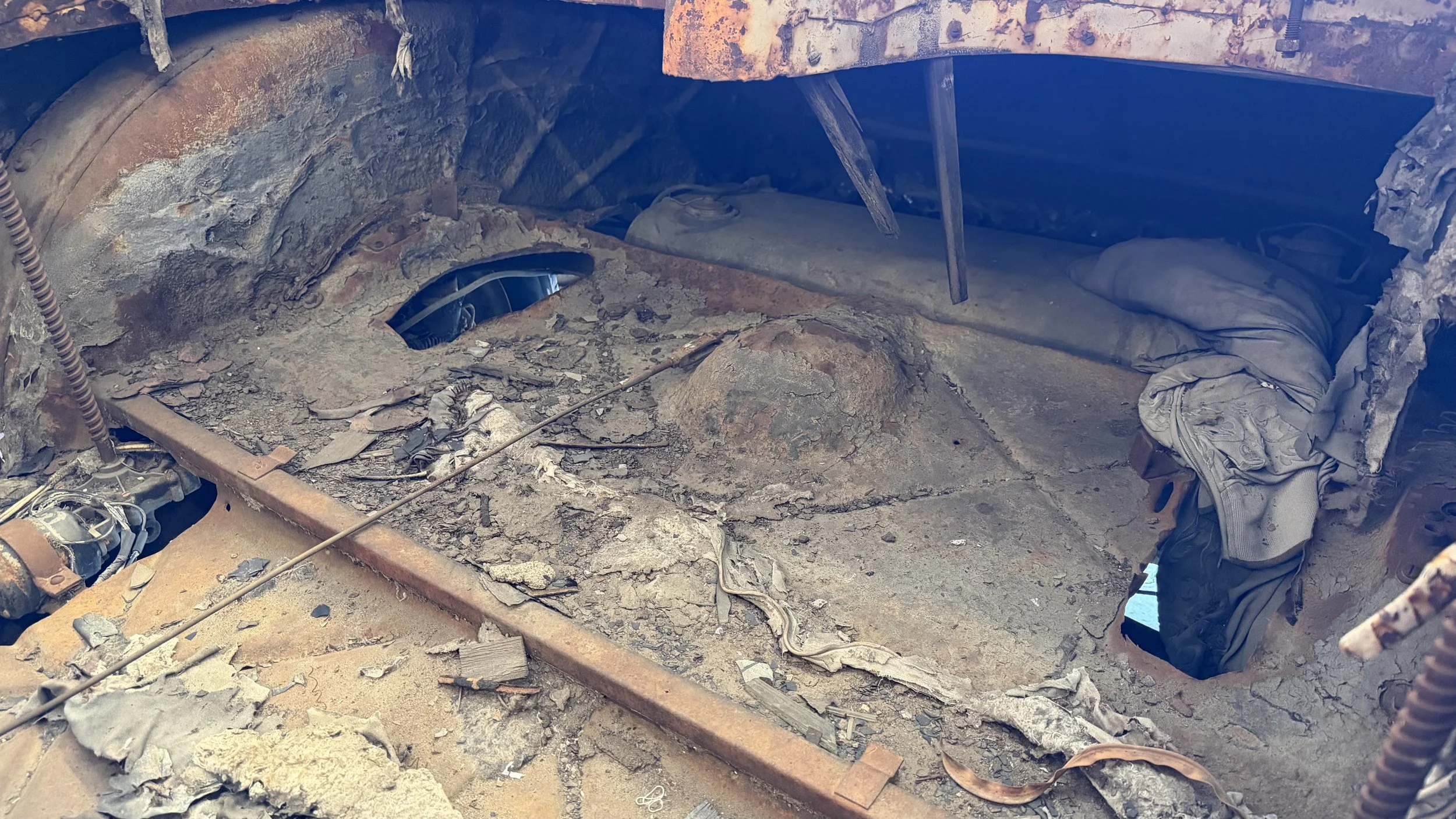
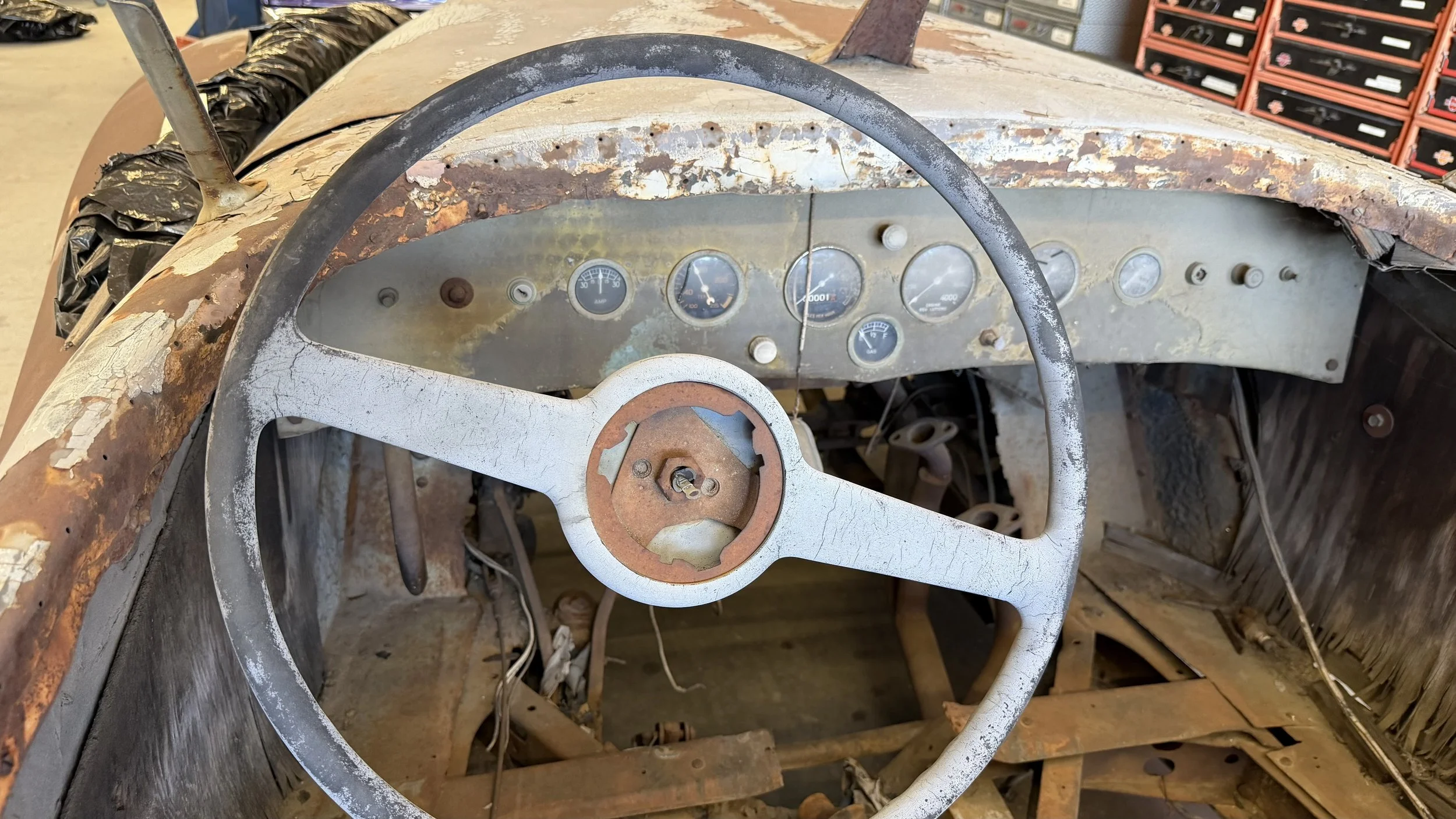
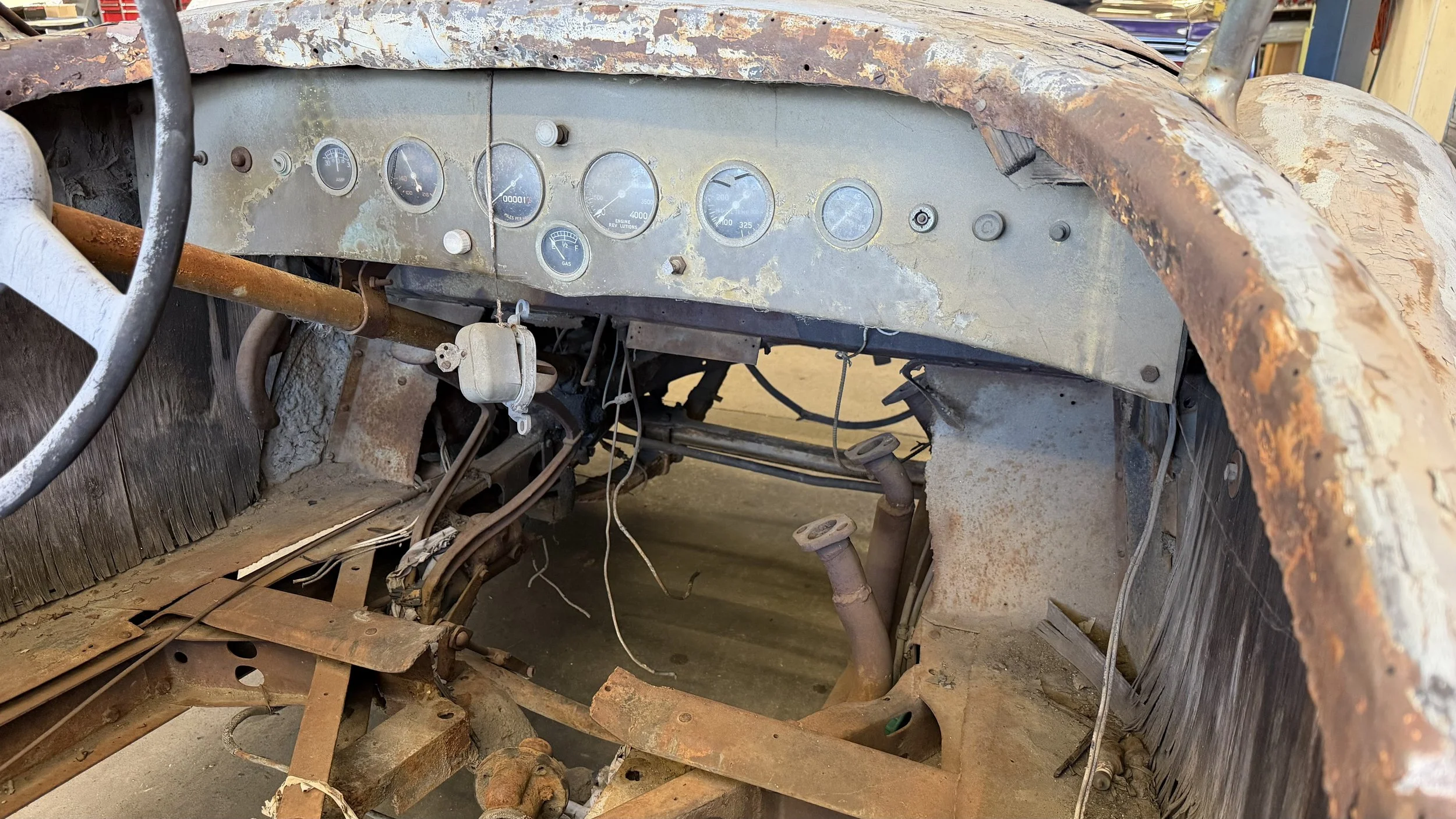
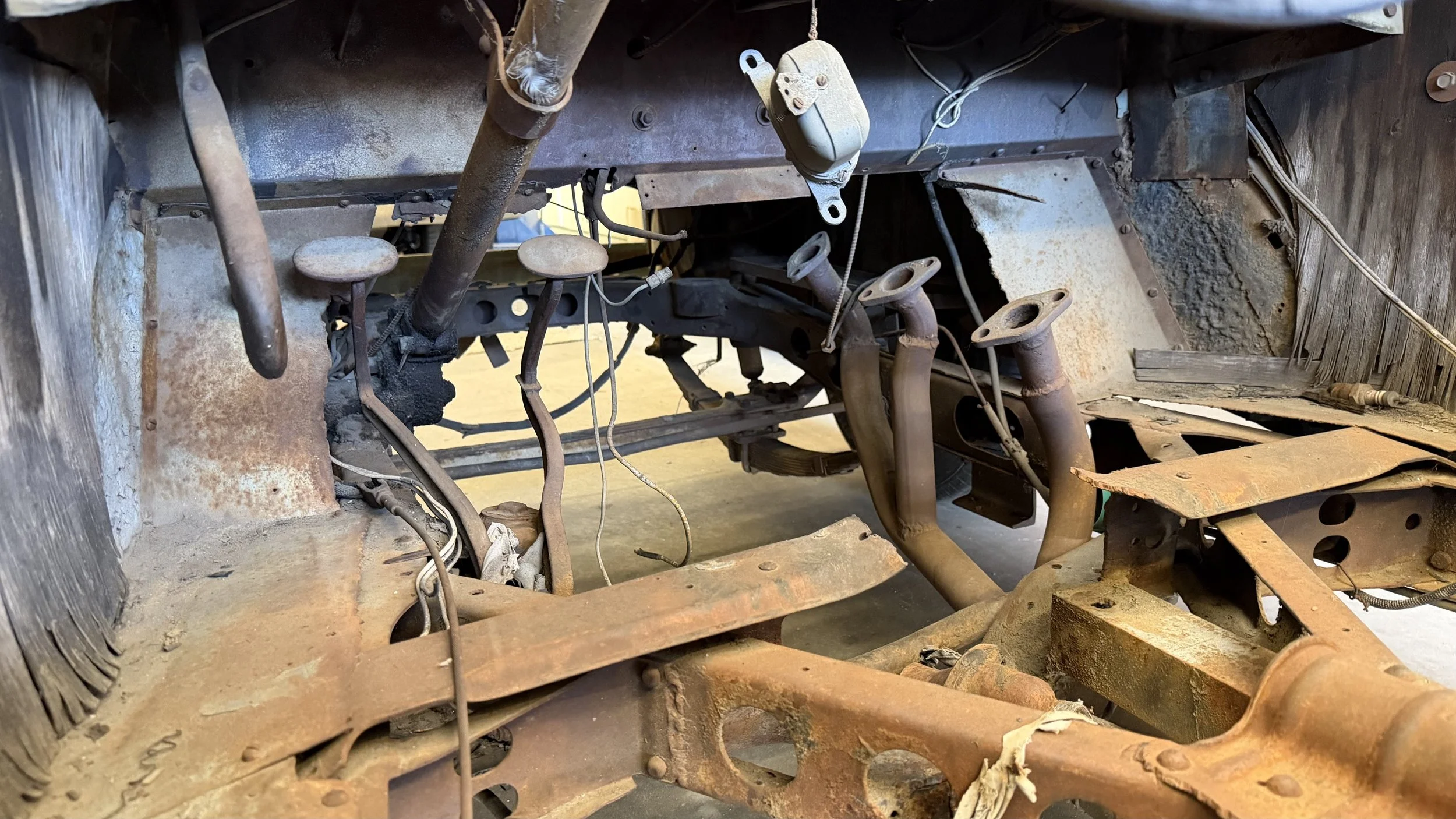
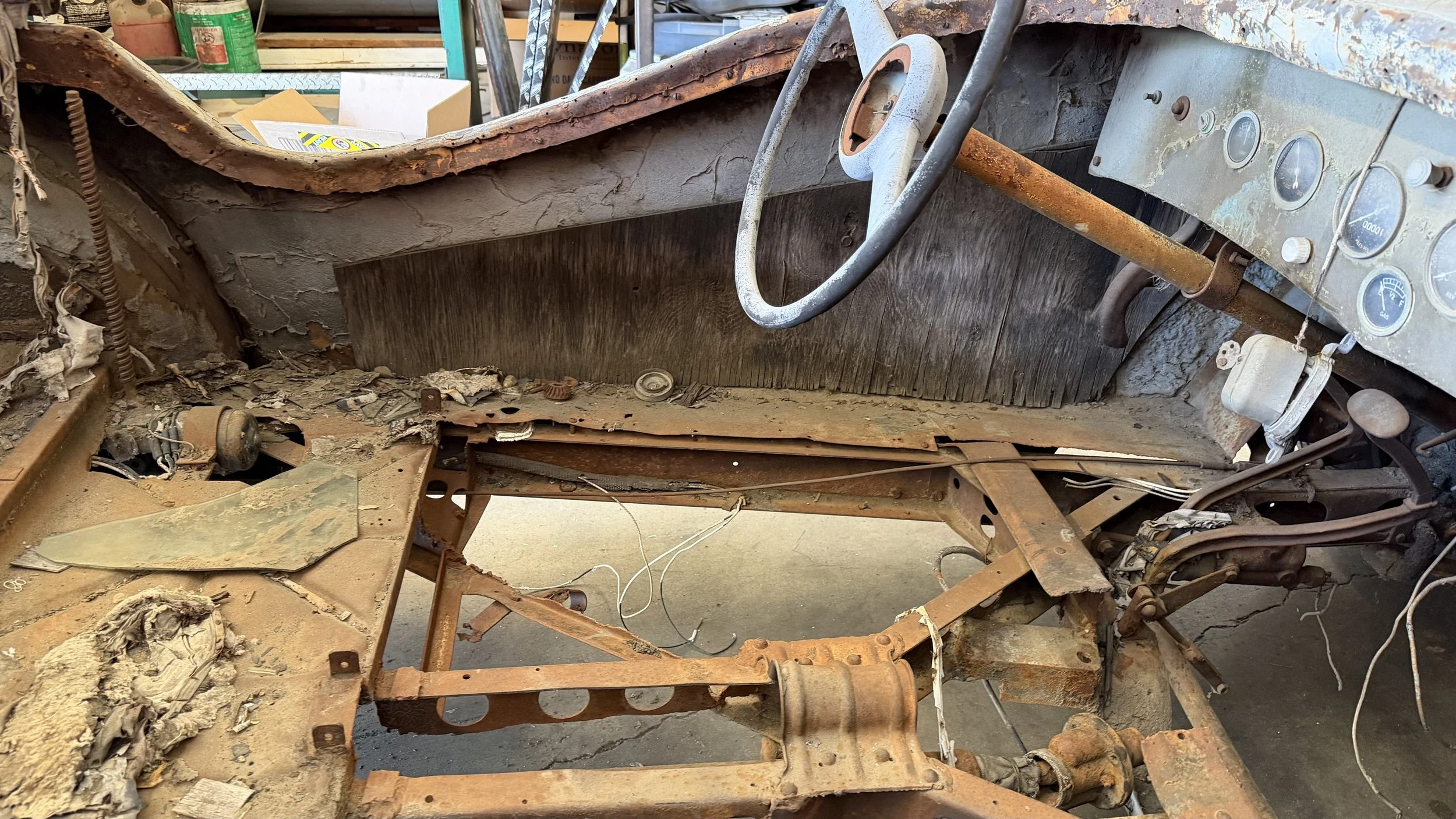
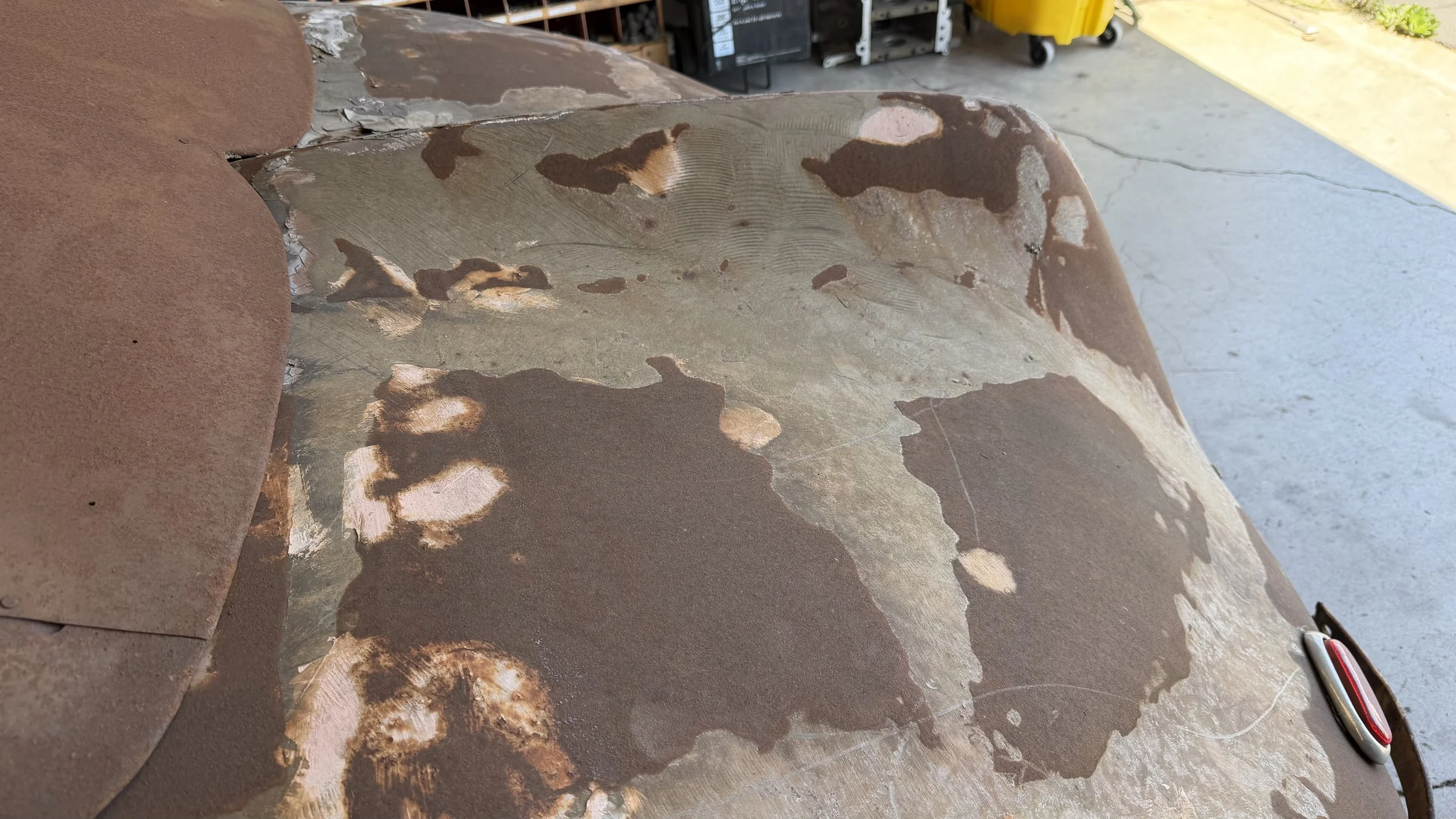
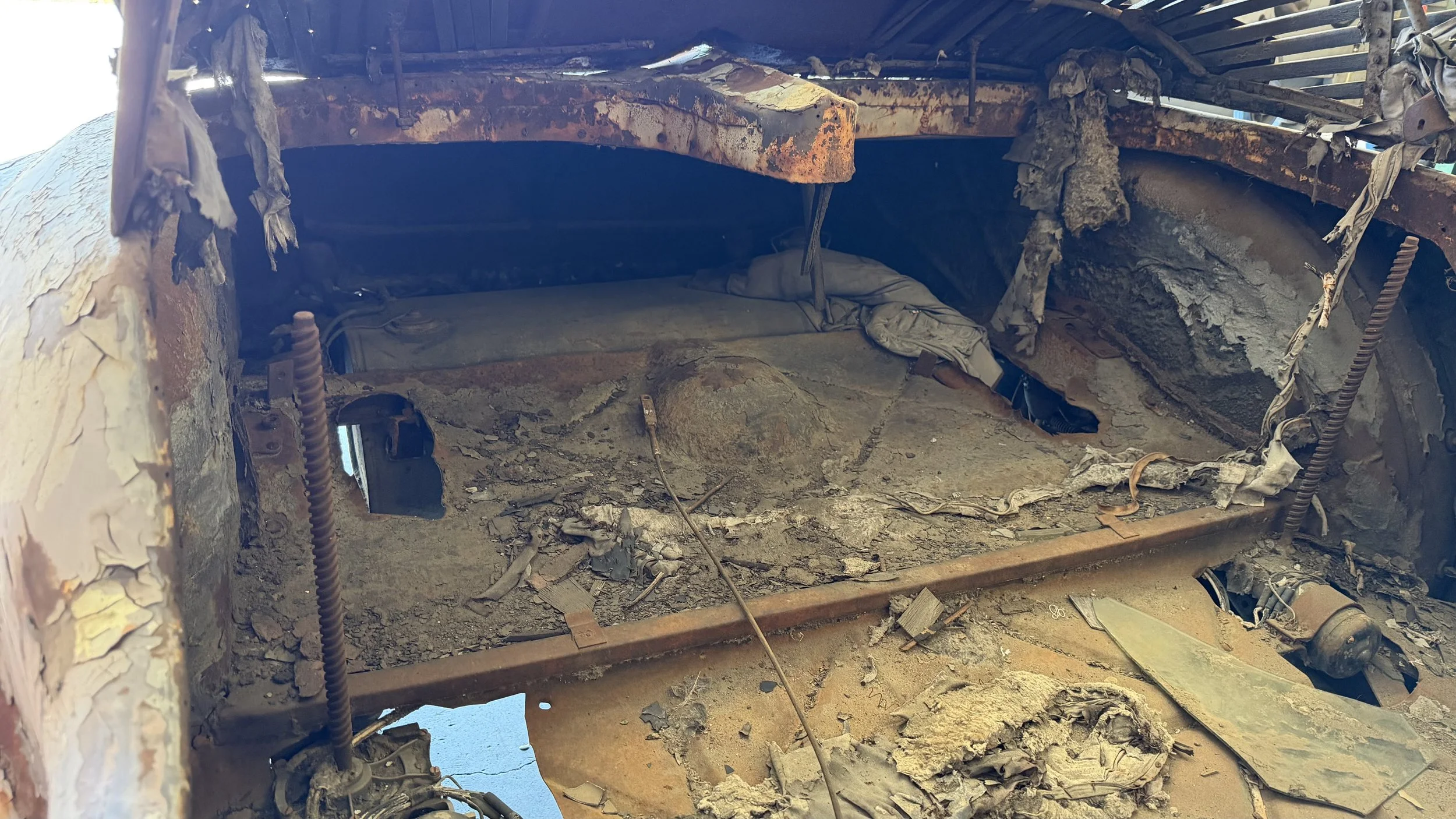
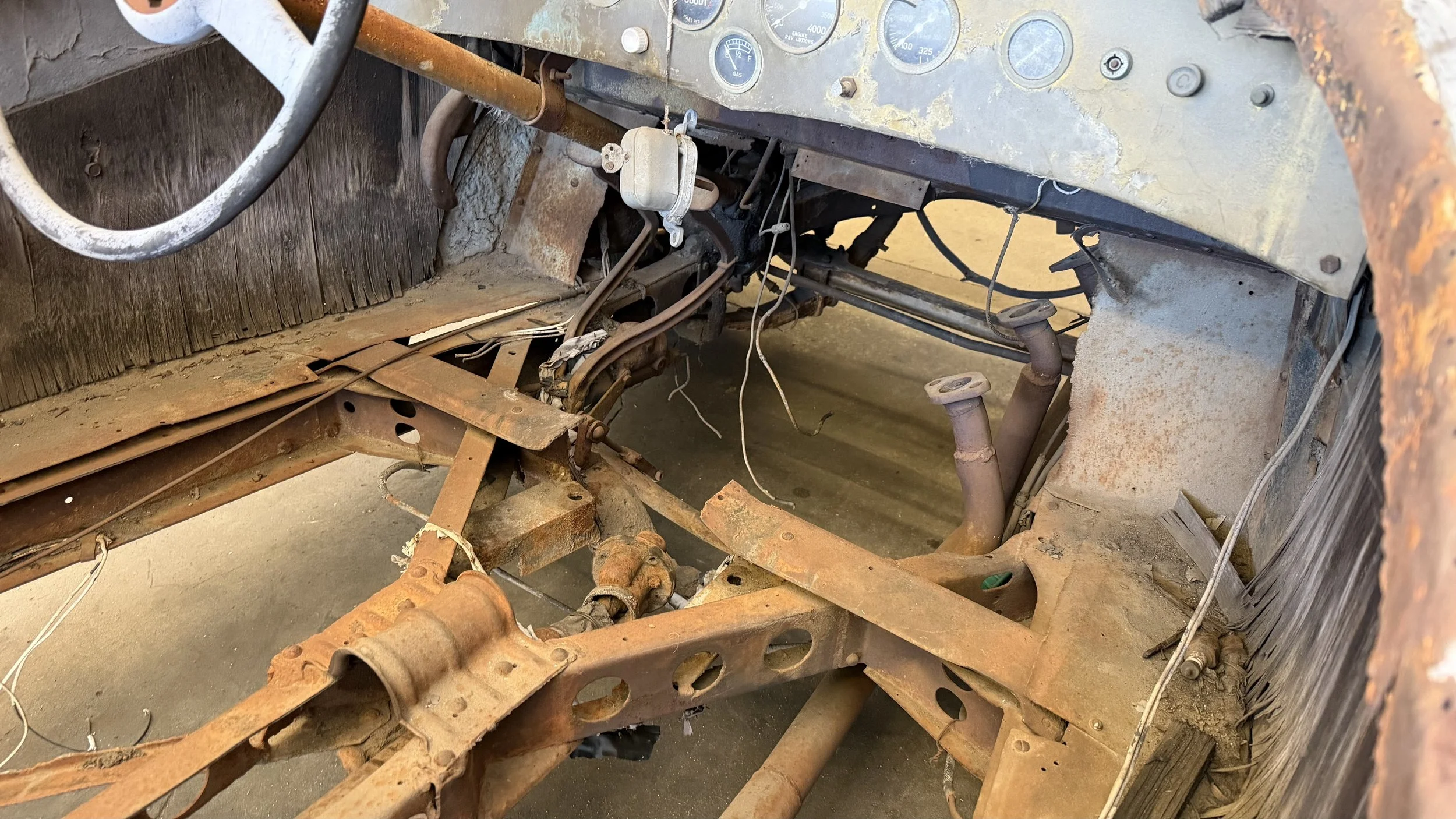
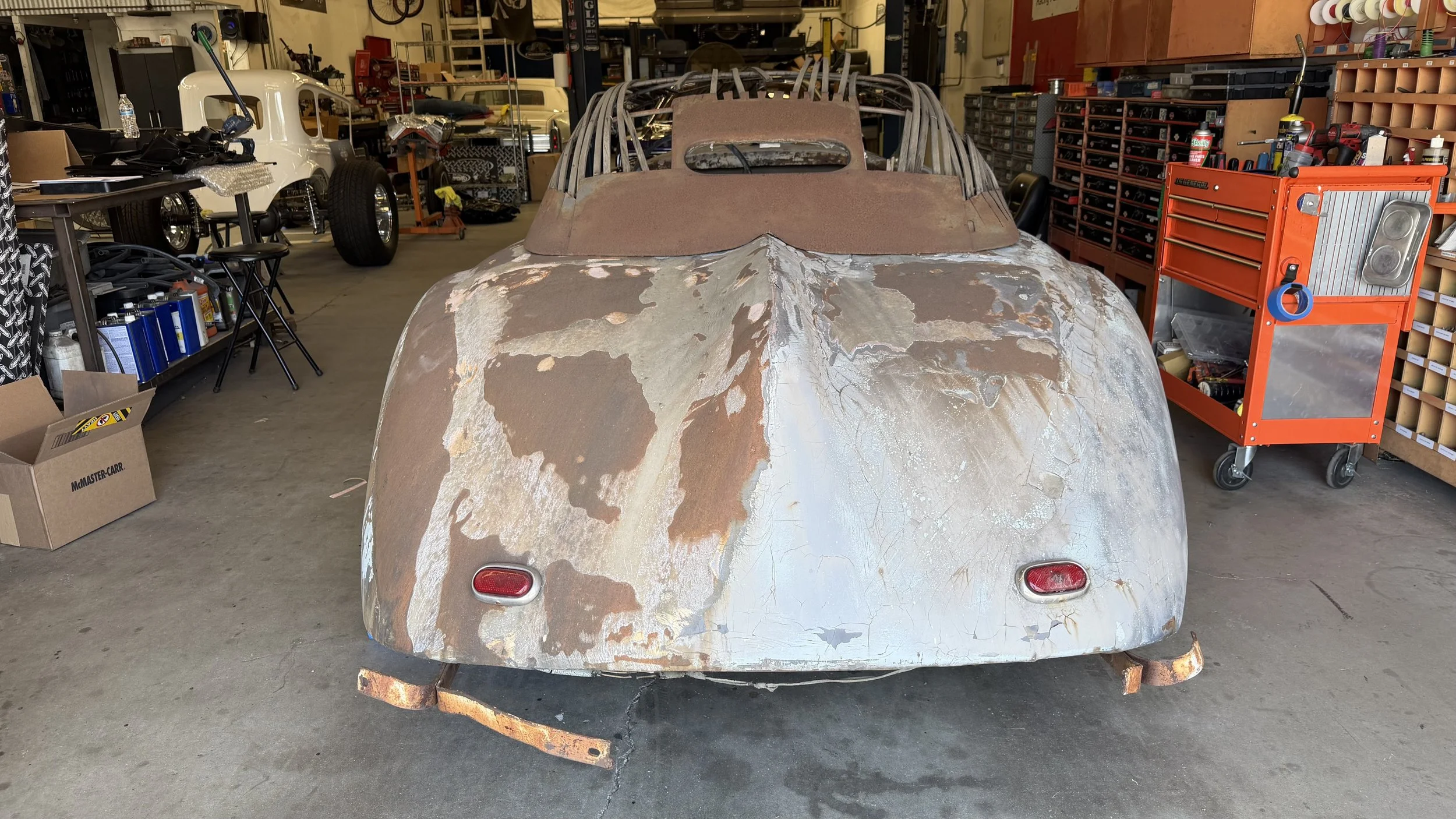
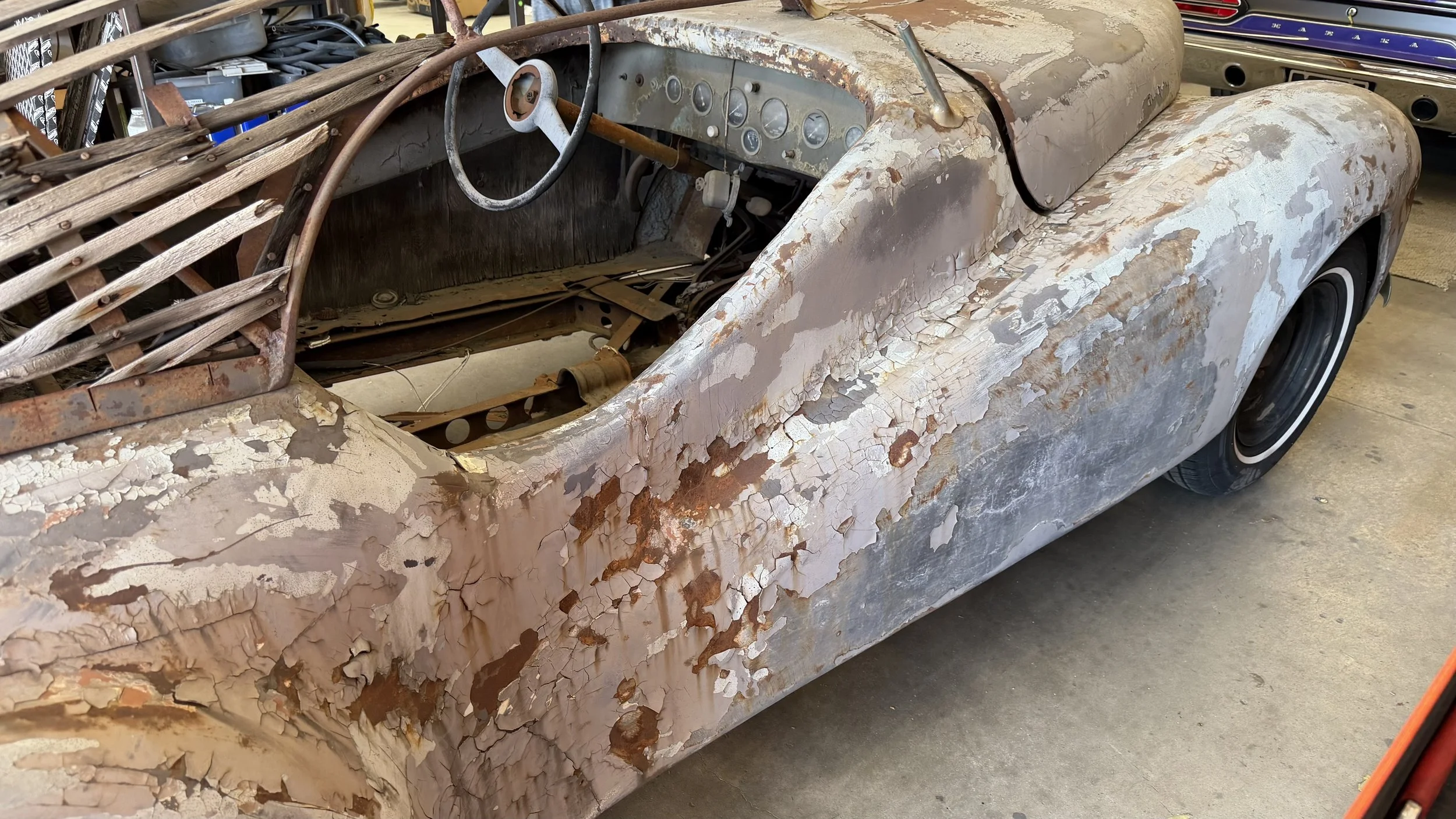
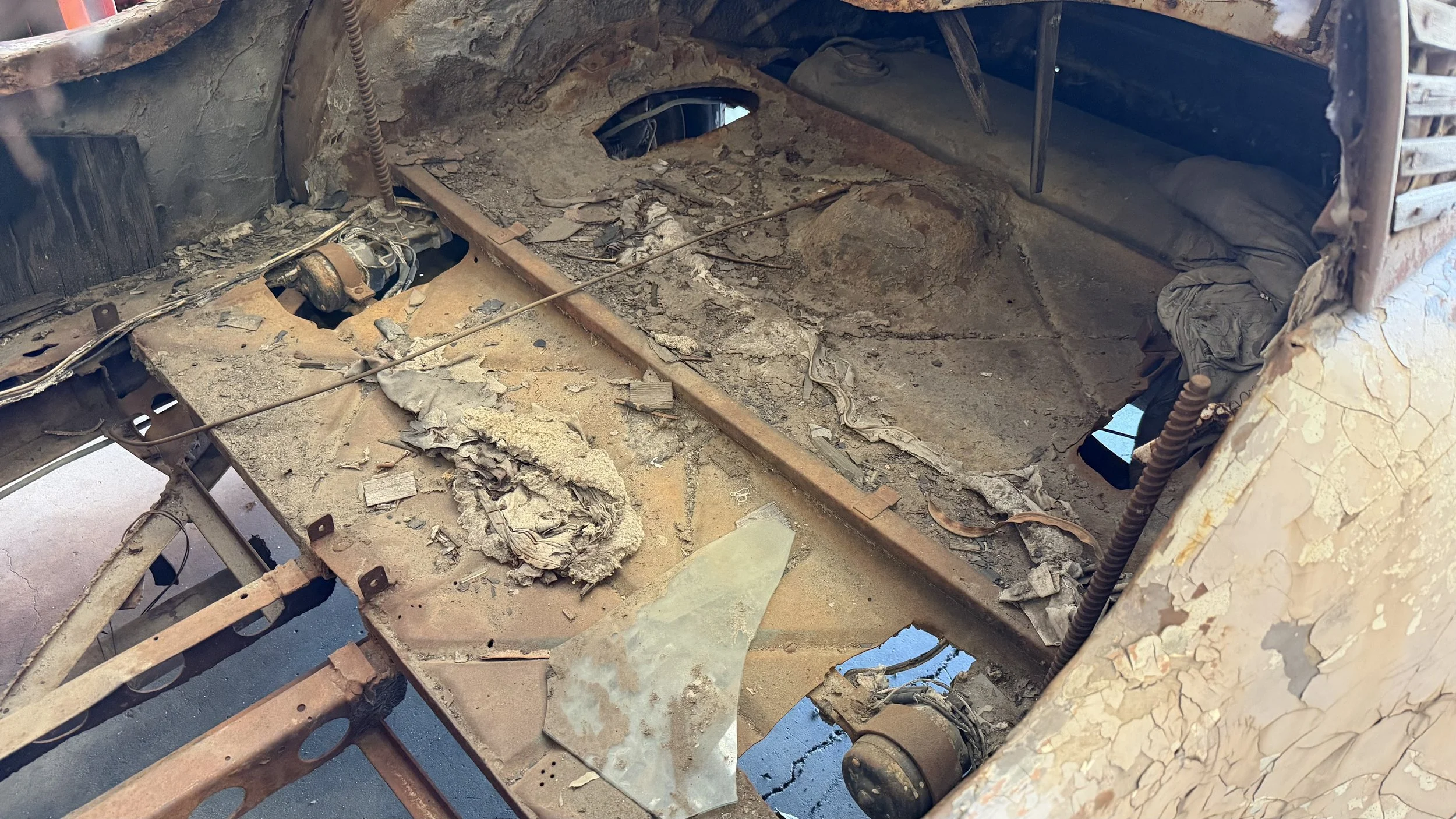
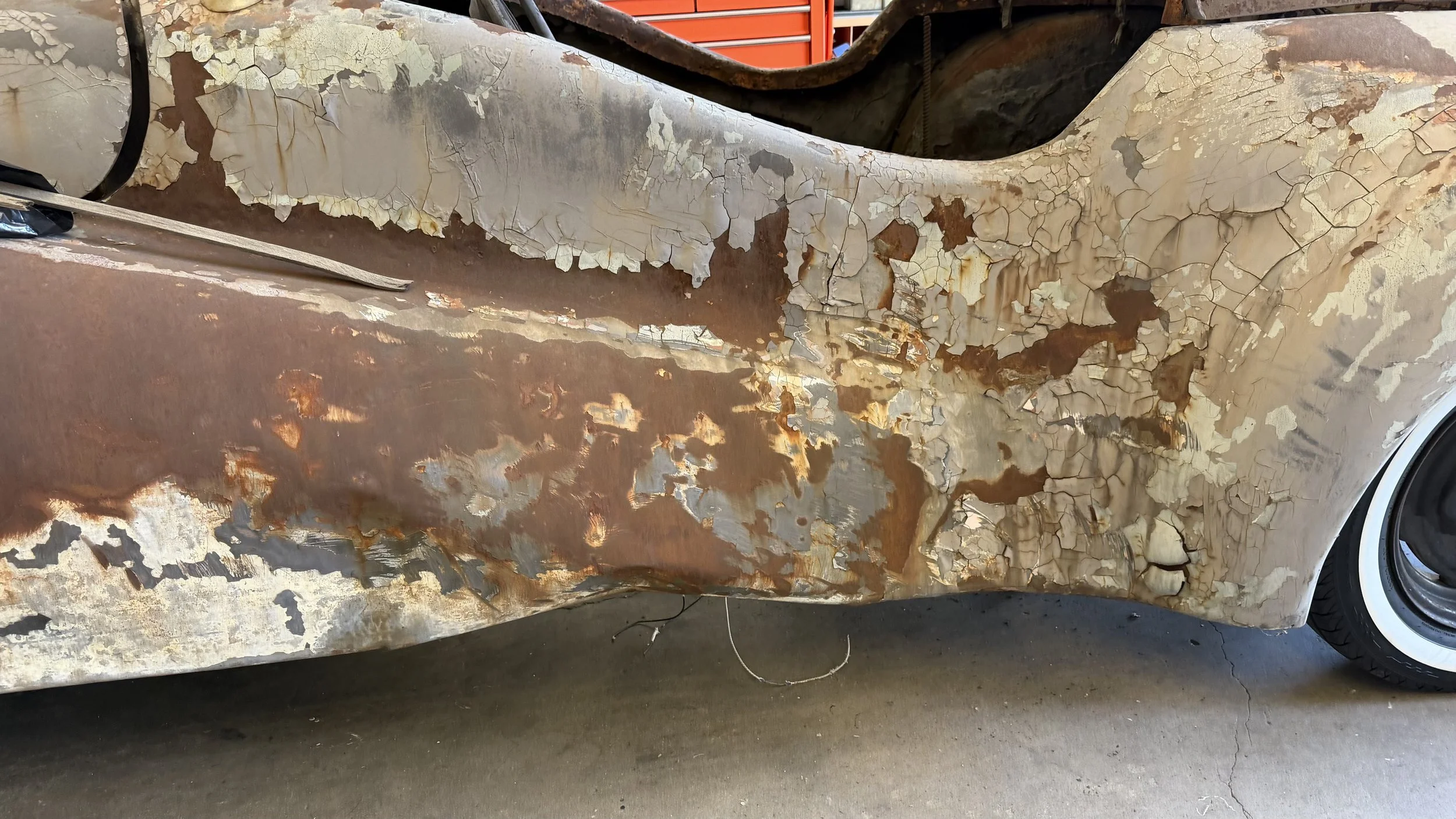
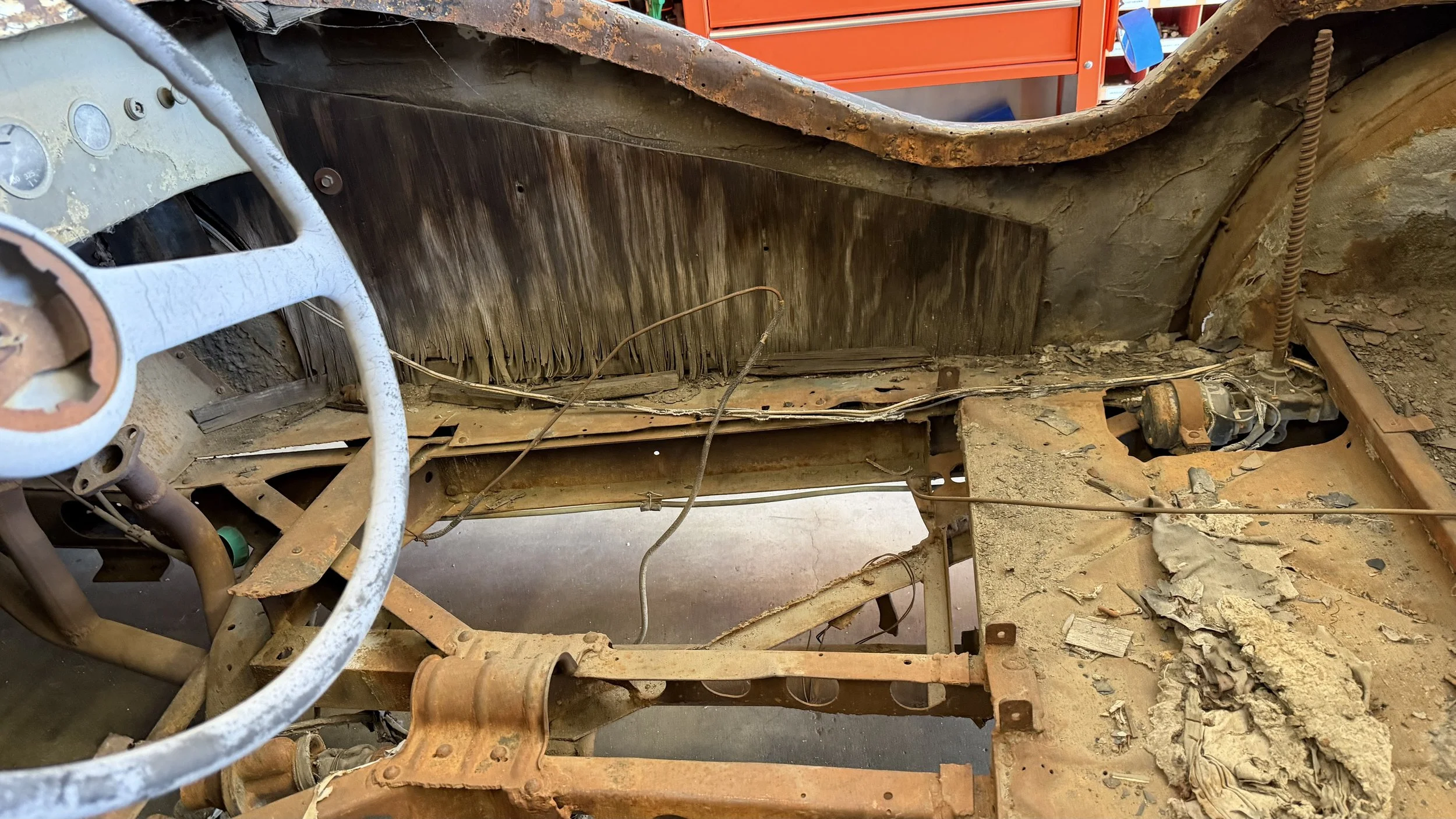
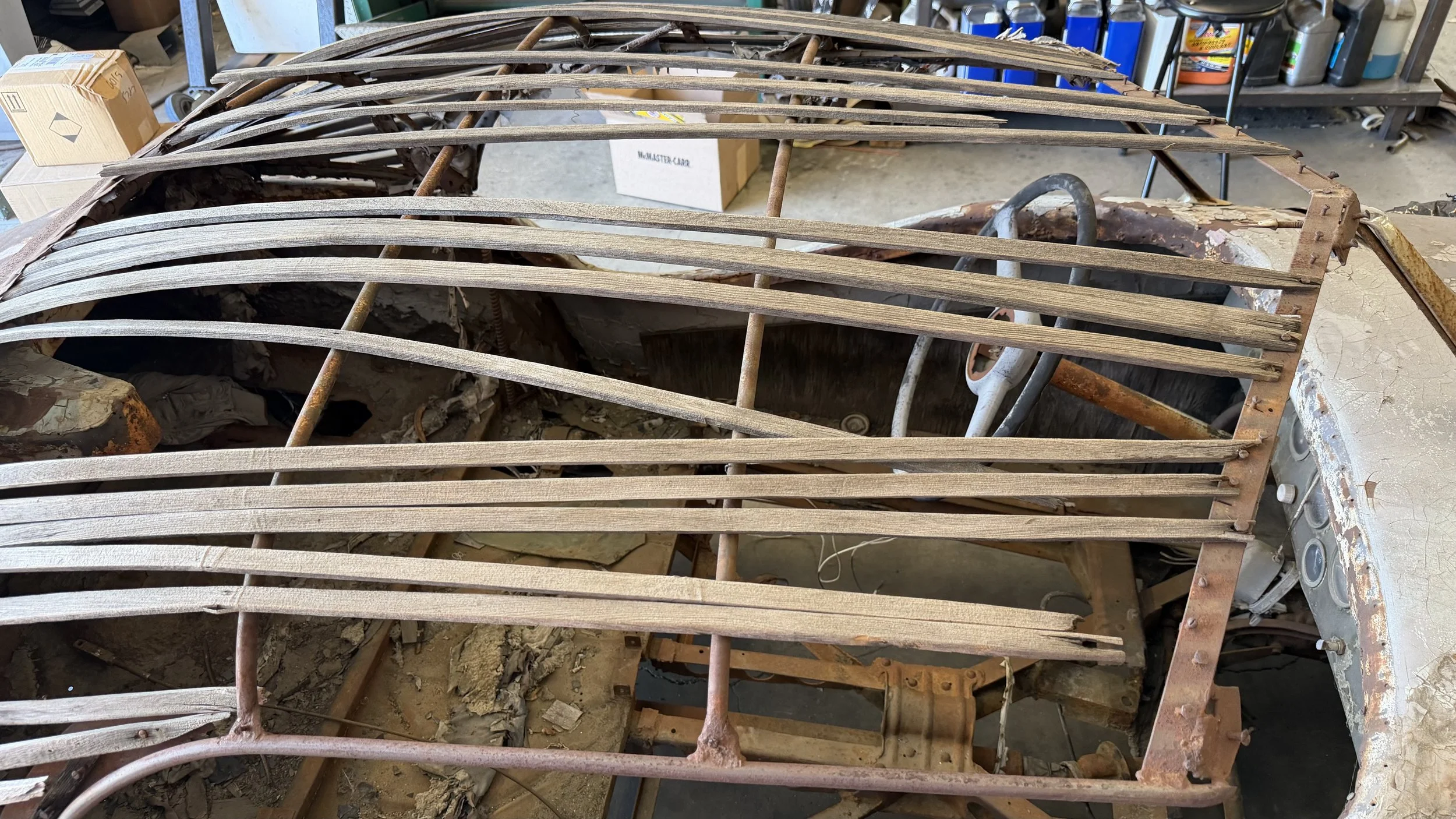
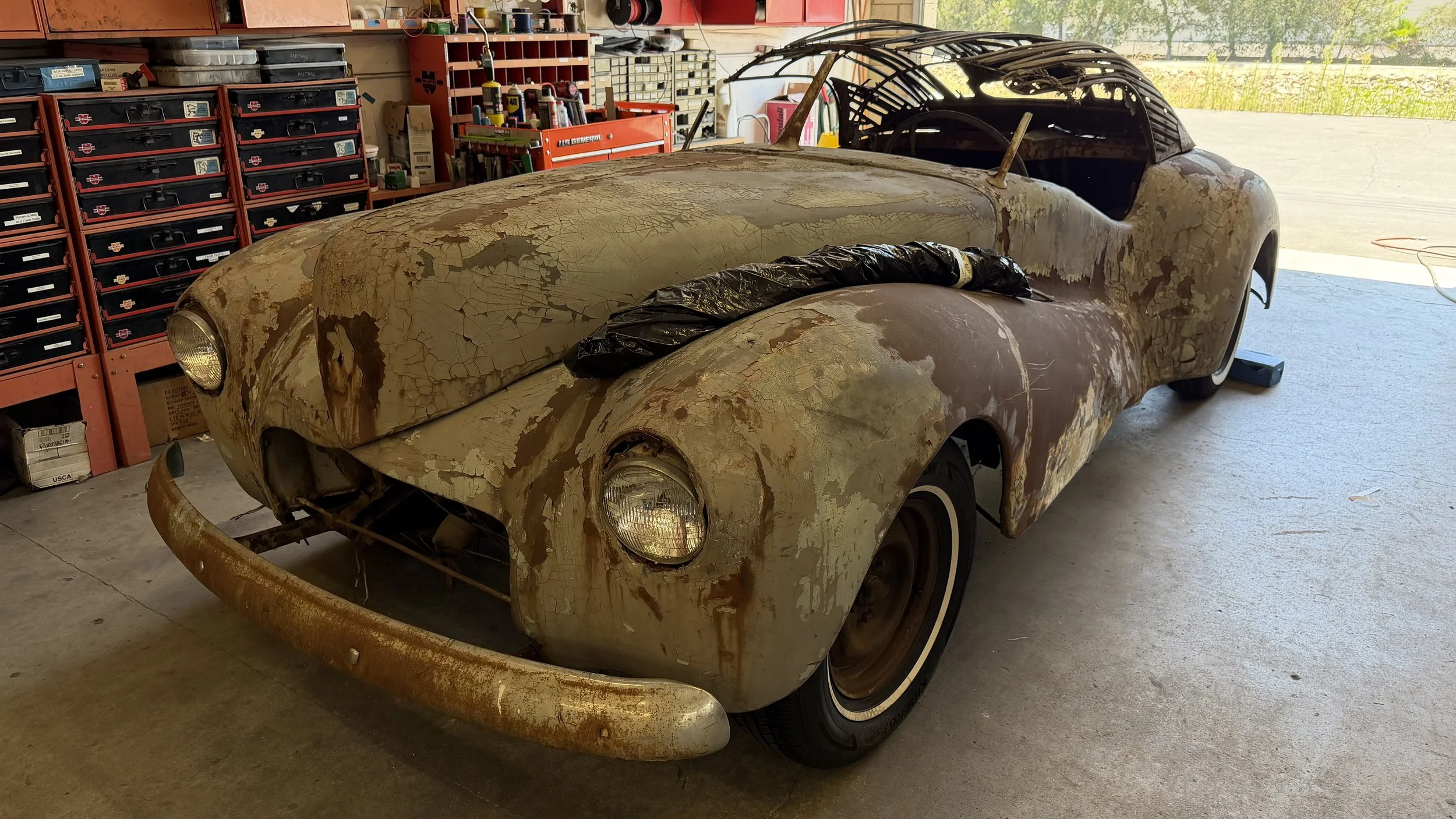
Instead, it went back out into the world as a piece of classic "Sport Custom" Americana, and remarkably, it does still exist today, though it is in weathered, unrestored state.
Here is the breakdown of the car's fascinating DNA and what became of it:
The Build: A Classic "Frankenstein" Custom
Before it ever became the Jetmobile, the car was known in the West Coast custom scene as C.H. Peterson's 1940 Ford-Willys "Custom Speedster." Peterson spent 18 months and about $3,500 (a massive sum for a custom project at the time) hand-building the car from a wild mix of components:
Chassis & Power: It was built on a 1940 Willys Americar frame but powered by a full-race Ford Flathead V8engine.
The Bodywork: Peterson hand-formed the rest of the body from sheet stock, cleverly blending junkyard gold. The crown of the hood came from a 1941 Ford, the tops of the front fenders were 1940 Willys, the bumpers were 1942 Ford, and the unmistakable toothy front grille was pulled from a 1946 DeSoto.
Hidden Features: Because there were no doors, the actors literally had to leap over the sides to climb into the cockpit. Peterson also engineered a custom red canvas convertible top that could be raised and lowered via electric power, though Columbia Pictures kept the top down for the serial so audiences could see the actors.
Life After the Serial and Current Status
After the 1951 serial finished its run in theaters, the car slipped out of the Hollywood limelight and back into the private market. Like many early post-war customs that weren't built by huge names like the Barris brothers, it passed through a succession of owners over the decades who didn't always recognize its dual pedigree as both a pioneering 1950s custom hot rod and a sci-fi screen icon.
The car was eventually rediscovered by custom automotive historians and collectors. Today, it remains in private hands. While it hasn't undergone a concours-level, frame-off restoration, it has survived the ultimate test of time. It exists as a complete but heavily weathered survivor, showing its age, faded paint, and worn metal, but standing as an incredible artifact from the dawn of cinematic sci-fi transport design.
-
Captain Video was the creation of James L. Caddigan, a DuMont vice president. Set in the year 2254, the show was an ambitious undertaking: it was live, technically demanding, and programmed as a continuing serial appearing every evening from 7:00 to 7:30 P.M. The show was designed to take advantage of the new technology; dissolves, superimpositions, and crude luminance key effects were utilized to place Captain Video in fanciful surroundings and allow him to travel through space and time. Without the luxury of videotape and editing, however, scripts, written by Maurice C. Brock (a veteran radio scriptwriter for Dick Tracy and Gangbusters), had to contain a great deal of exposition in order to allow time to set up for short bursts of action.
The lack of sustained action was the reason given by creator Caddigan for using clips from the DuMont film library. In a typical program, as the conflict subsided for a moment, Captain Video (played by Richard Coogan, who later portrayed U.S. Marshal Matt Wayne on The Californians) would turn to his Remote Tele-Carrier, or, inexplicably, the show would switch to Ranger Headquarters, to show the exploits of other rangers (often cowboys such as Bob Steele and Sunset Carson in western films). These clips always involved action-oriented sequences and helped to pick up the pace of the show and allow time for the production crew to change sets and set up special effects.
Other breaks between scenes were filled with Ranger Messages. While messages on other children’s programs would focus on children’s issues such as safely crossing the street, Ranger Messages dealt with more global issues such as freedom, the Golden Rule, and nondiscrimination. The sophistication of these messages seemed to anticipate an adult audience, but the shifts between space and western adventures were incomprehensible to many adults. The show was most popular with children, and by 1951 it was carried by 24 stations and seen by 3.5 million viewers, outdrawing its nearest competitor, Kukla, Fran, and Ollie.
As the “Master of Science,” Captain Video was a technological genius, who invented a variety of devices including the Opticon Scillometer, a long-range, X-ray machine used to see through walls; the Discatron, a portable television screen that served as an intercom; and the Radio Scillograph, a palm-sized, two-way radio. With public concerns about violence in television programming, Captain Video’s weapons were never lethal but were designed to capture his opponents (a Cosmic Ray Vibrator, a static beam of electricity able to paralyze its target; an Atomic Disintegrator Rifle; and the Electronic Strait Jacket, which placed captives in invisible restraints). In testimony before Senator Estes Kefauver’s subcommittee probing the connection between television violence and juvenile delinquency, Al Hodge, who had previously starred in radio’s Green Hornet and became Captain Video in 1951, noted that he did not even use the word “kill” on the show.
In addition to the futuristic inventions, the plots featured sharply drawn distinctions between good and bad science. Although Captain Video, with the 15-year-old Video Ranger (played by Don Hastings, who later appeared in The Edge of Night and As the World Turns), battled a wide array of enemies, the most clever and persistent was the deranged scientist Dr. Pauli (originally portrayed by Bram Nossem, who could not sustain the grueling live schedule and was replaced by Hal Conklin). The battles were originally Earth-bound, with Captain Video circling the globe in his X-9 jet to thwart the plans of Dr. Pauli, who joined forces with other villains, such as the evil Heng Foo Sueeng. However, in response to other newly created science fiction competitors, in 1951 Captain Video began to patrol the universe and battle aliens in the spaceship Galaxy, under the auspices of the Solar Council of the Interplanetary Alliance. He encountered such notable villains as clumsy McGee (played by Arnold Stang), an inept Martian; Norgola (played by Ernest Borgnine), who turned the sun’s energy into magnetic forces; and television’s first robot, Tobor (“robot” spelled backward), played by Dave Ballard.
The audience was exceptionally involved in the show, often writing to oppose plot developments or to suggest new inventions. For example, Tobor and Dr. Pauli were destroyed when their schemes backfired; however, the opposition of the viewers was great enough to bring them back in later episodes. Young viewers were also encouraged to join the Video Rangers Club and to buy Captain Video merchandise, including helmets, toy rockets, games, and records, although the show was not as extensively merchandised as some of its competitors. The show was supported, however, by large sponsors such as Skippy peanut butter and Post cereals. Fawcett also published six issues of Captain Video Comics in 1951. A 15-chapter movie serial, Captain Video, Master of the Stratosphere (released by Columbia Pictures in 1951, starring Judd Holdren and Larry Stewart), was the first attempt by Hollywood to capitalize on a television program. DuMont also attempted to build on the popularity of the show by developing The Secret Files of Captain Video, a 30-minute, weekly adventure complete within itself, which ran concurrently with the serial from September 1953 until May 1954.
However, although Captain Video was “The Guardian of the Safety of the World,” he was not able to escape the economic necessities of the industry nor prevent the demise of the DuMont network. When Miles Laboratories canceled its sponsorship of the Morgan Beatty news program, Captain Video remained as DuMont’s only sponsored program between 7:00 and 8:00 P.M. Unfortunately, the income from that program was not large enough to justify the rental of the coaxial cable, and Captain Video left the air on April 1, 1955, with DuMont folding that same year.
Information in this section provided from the Museum of Broadcast Communications.